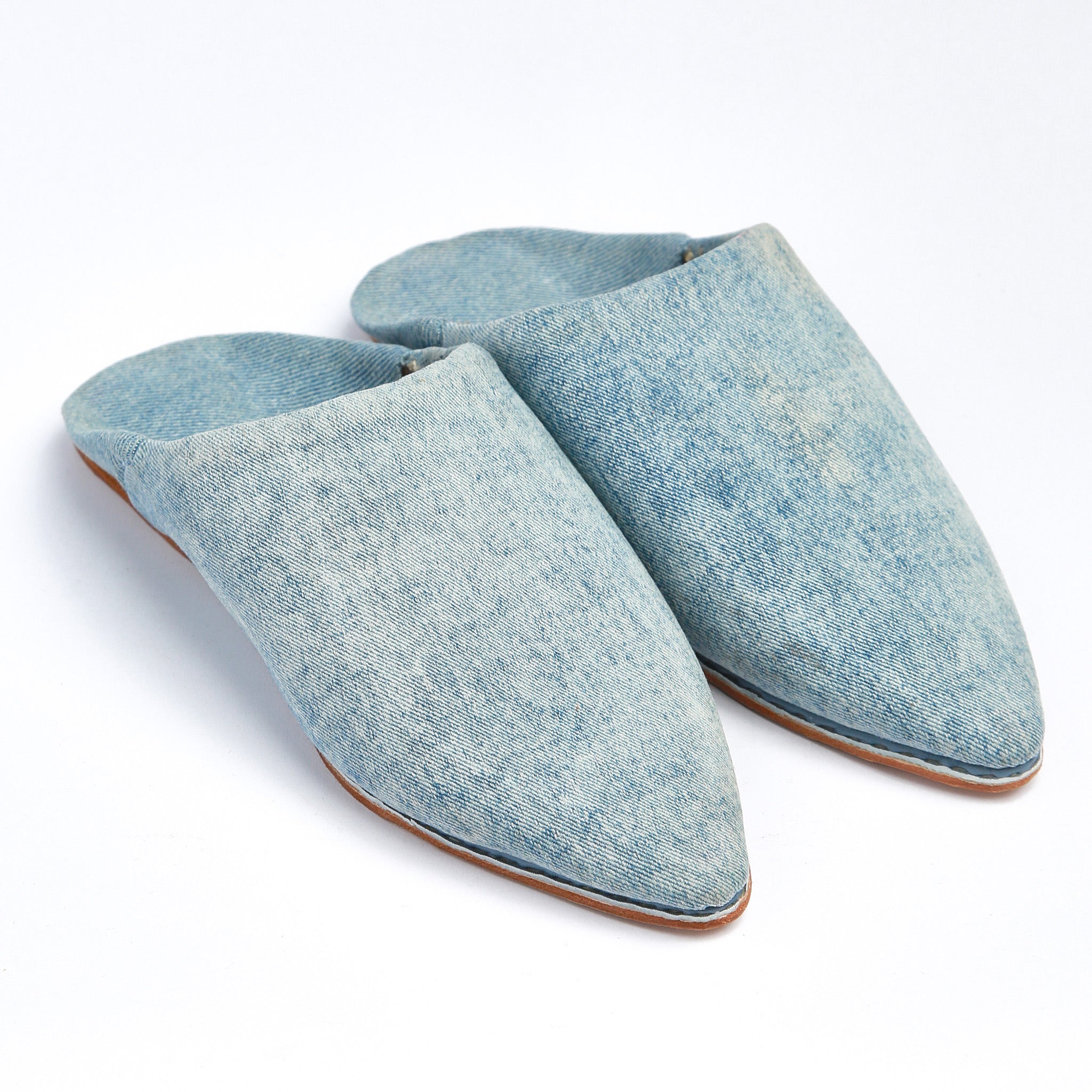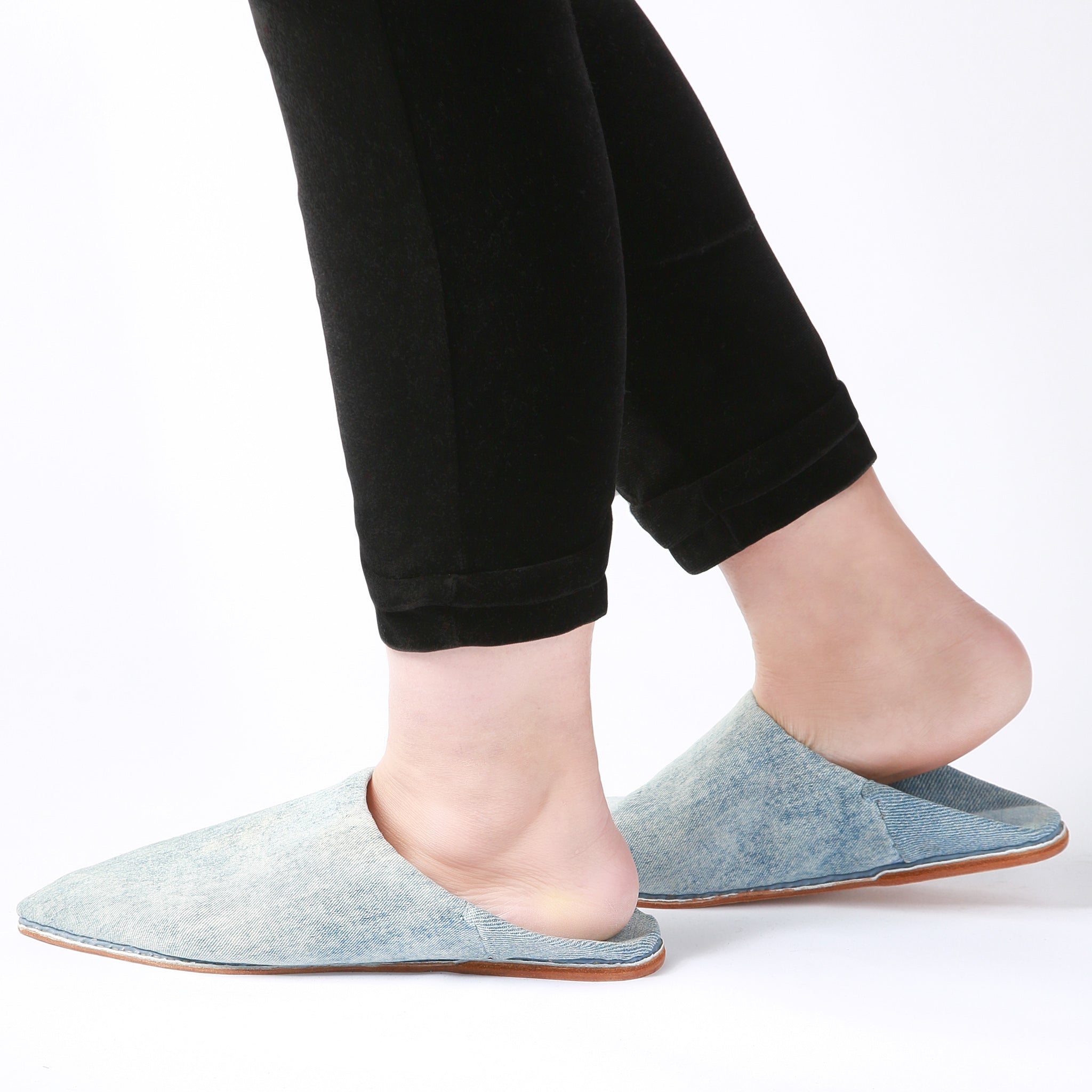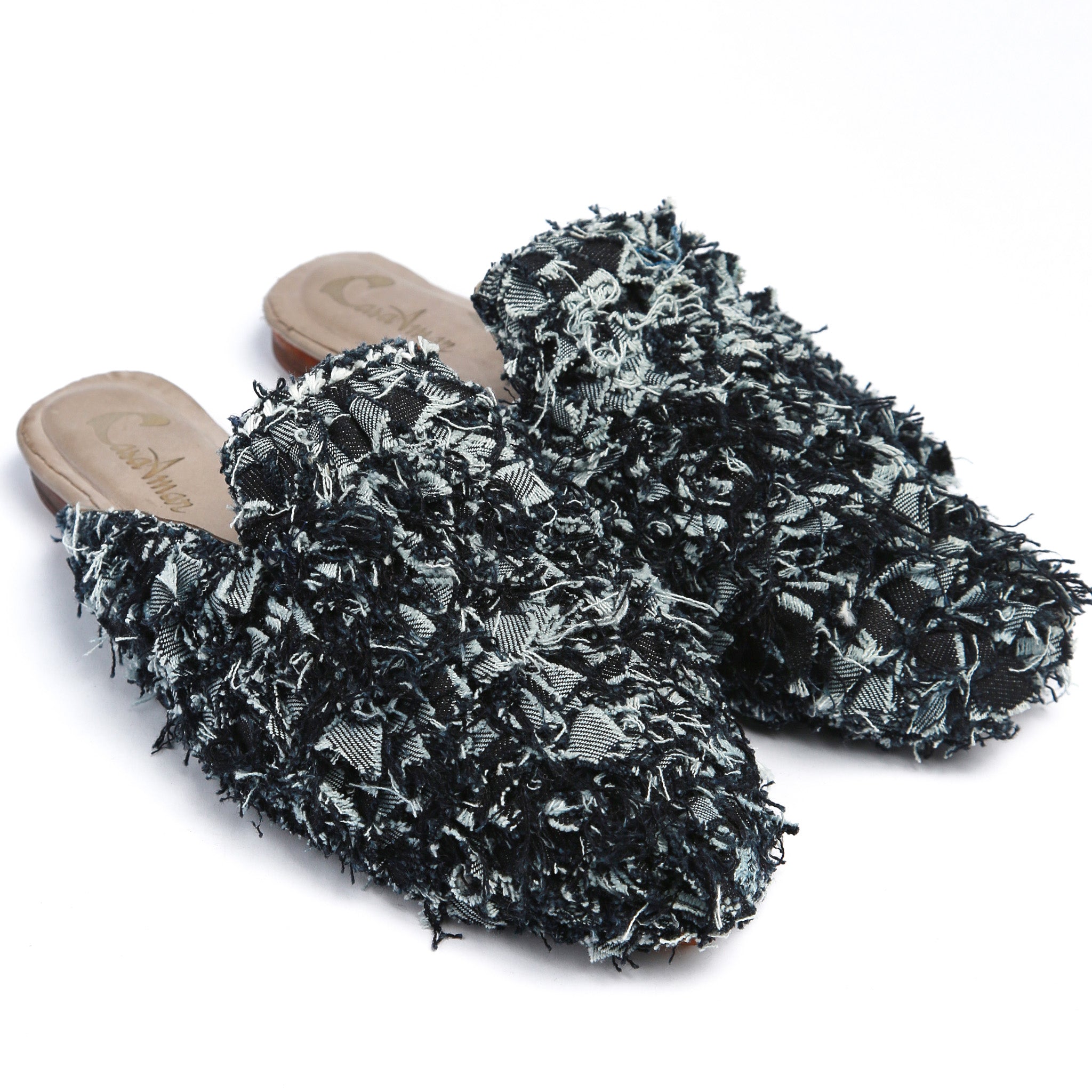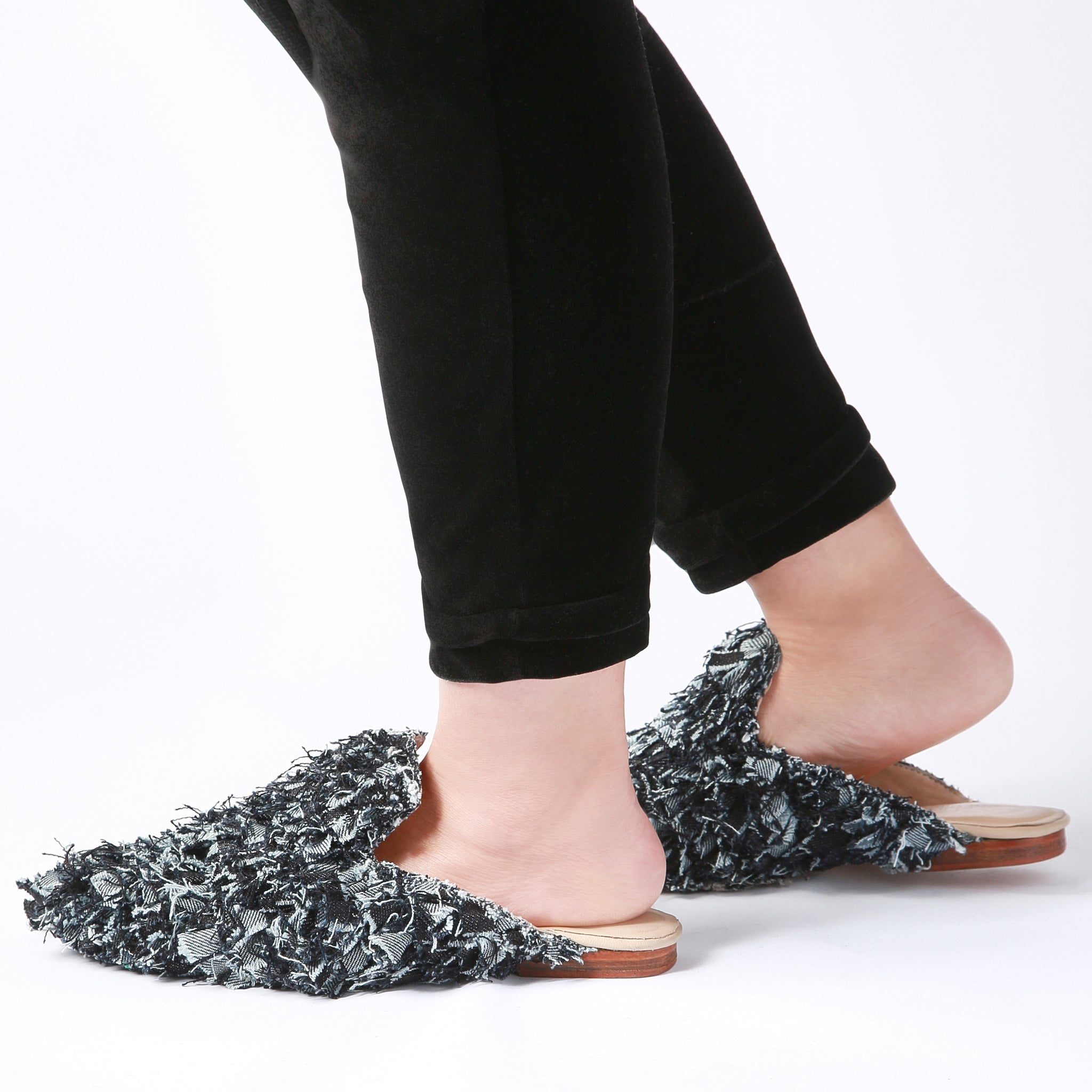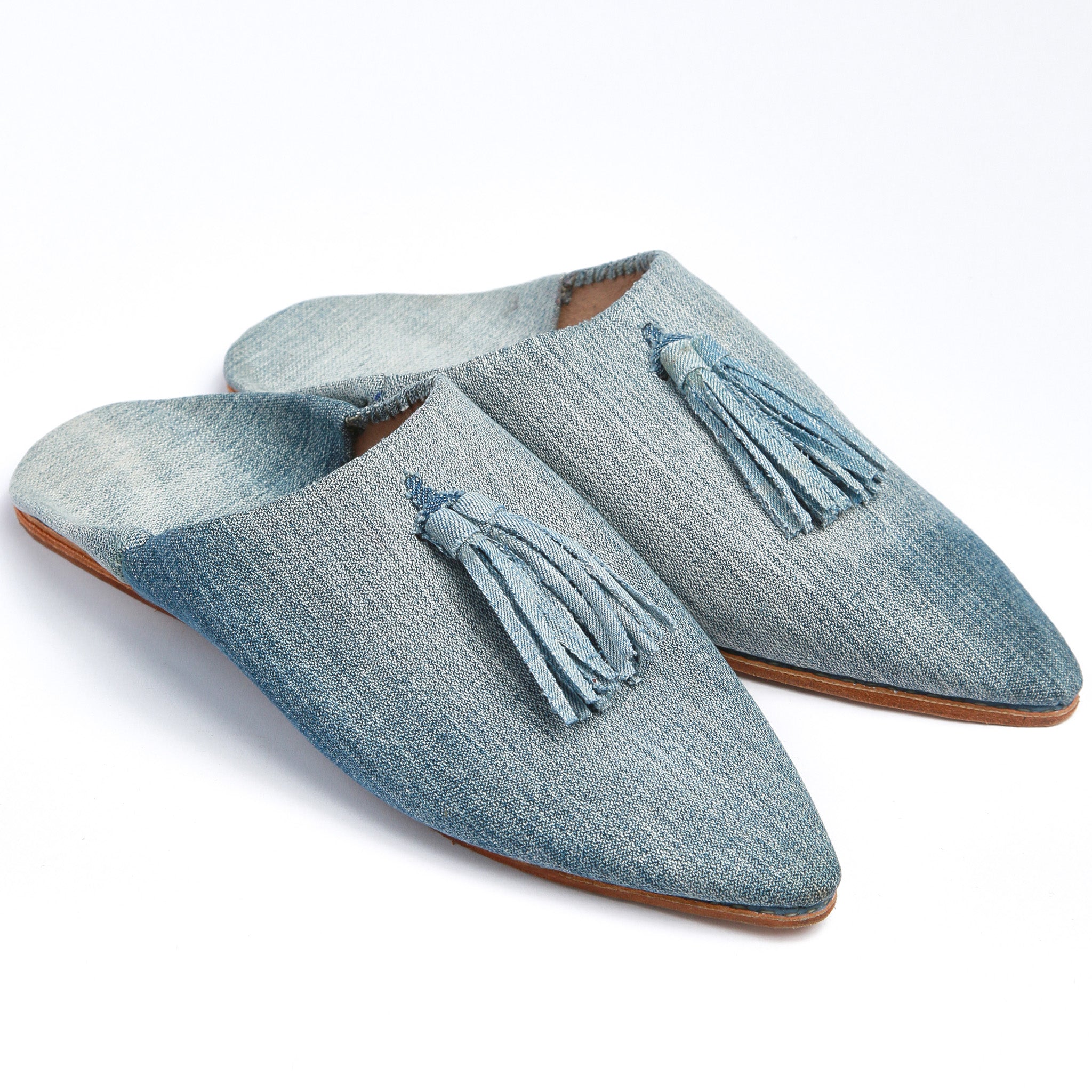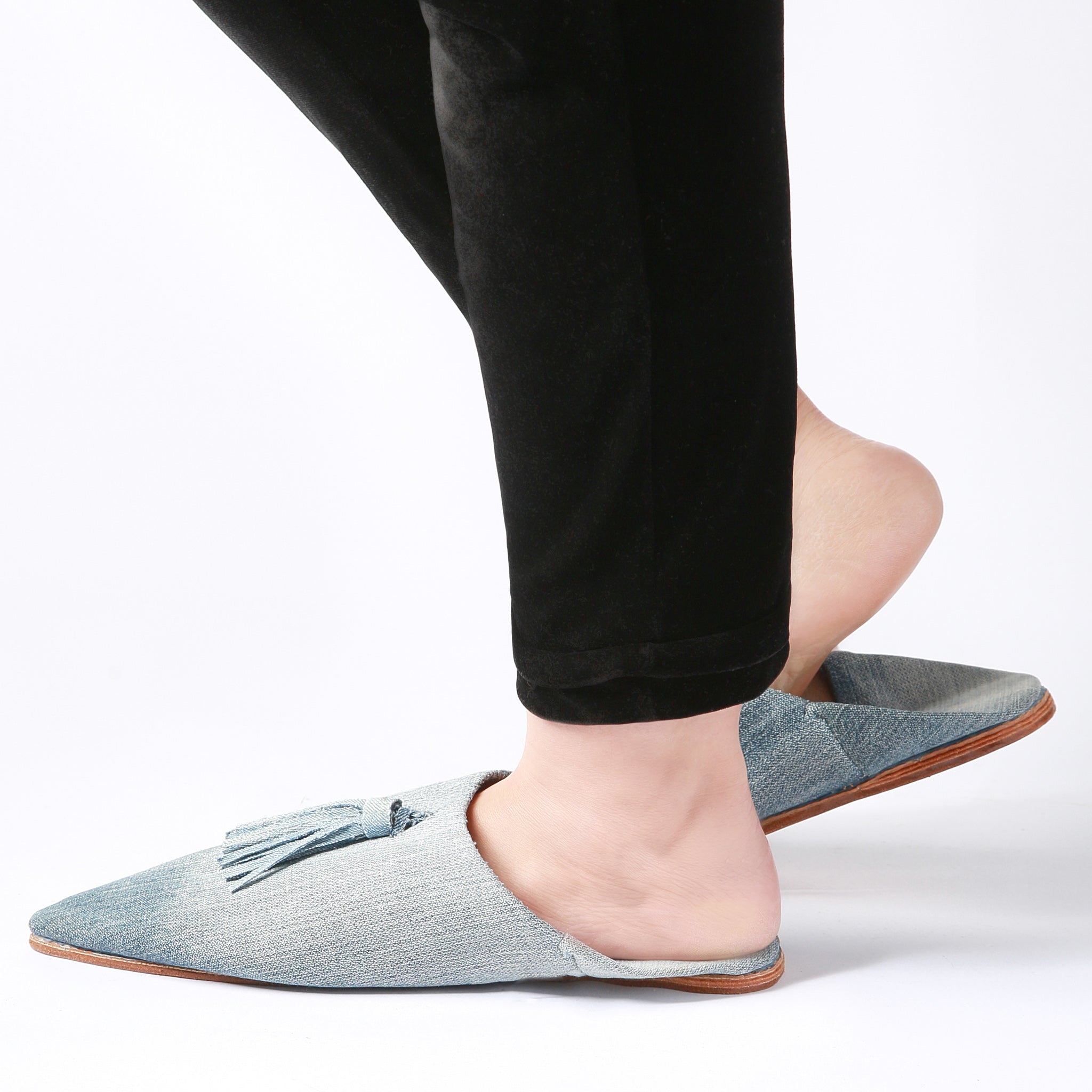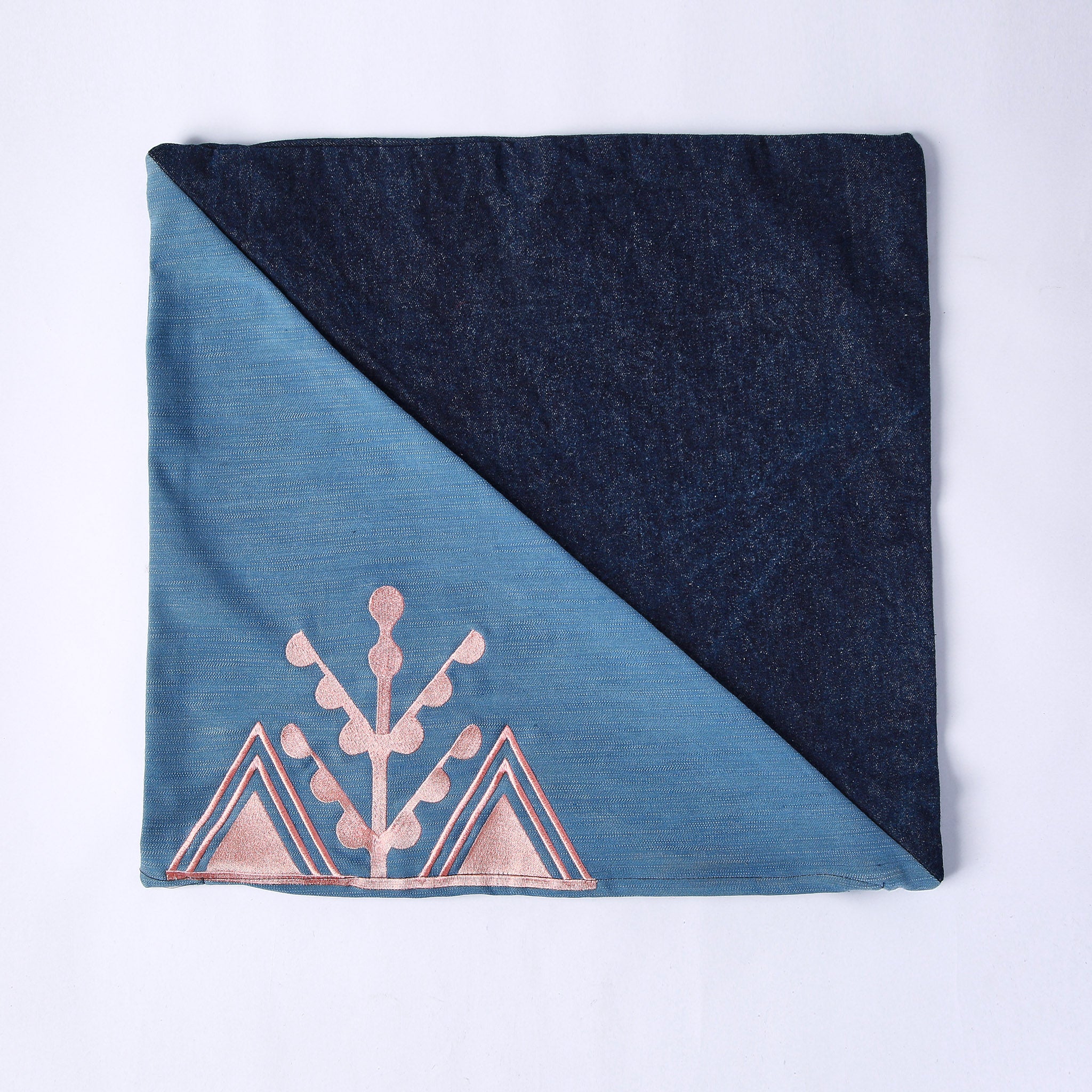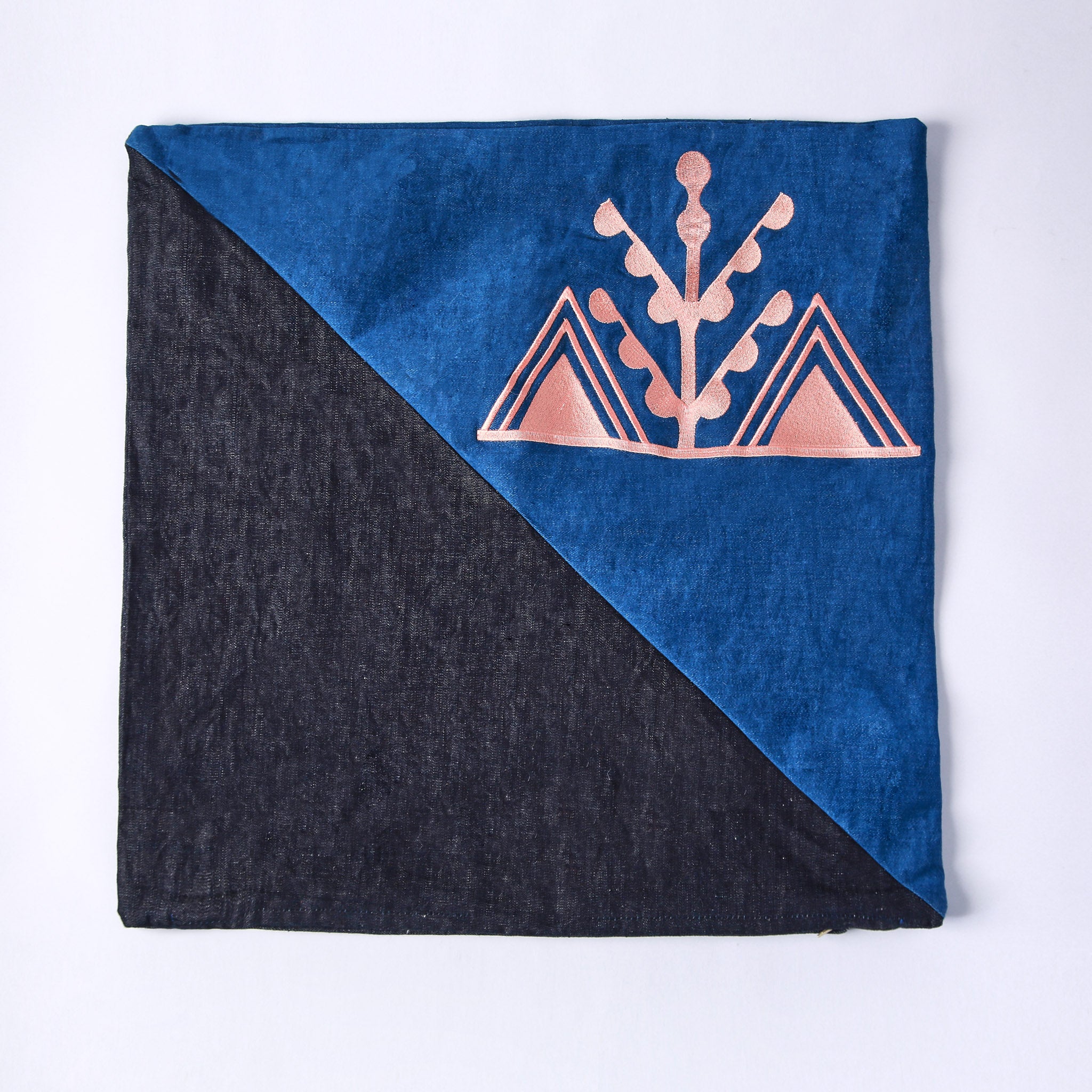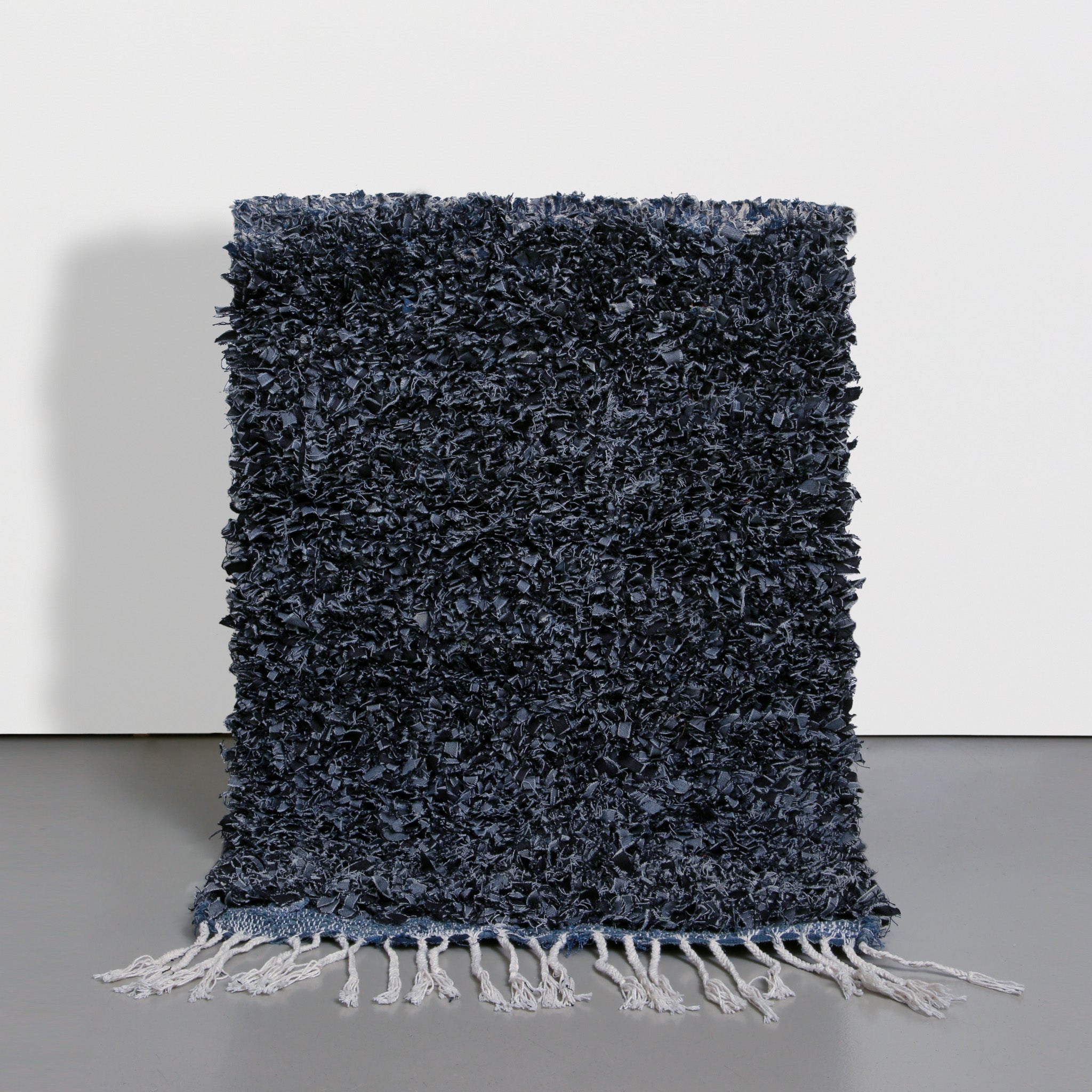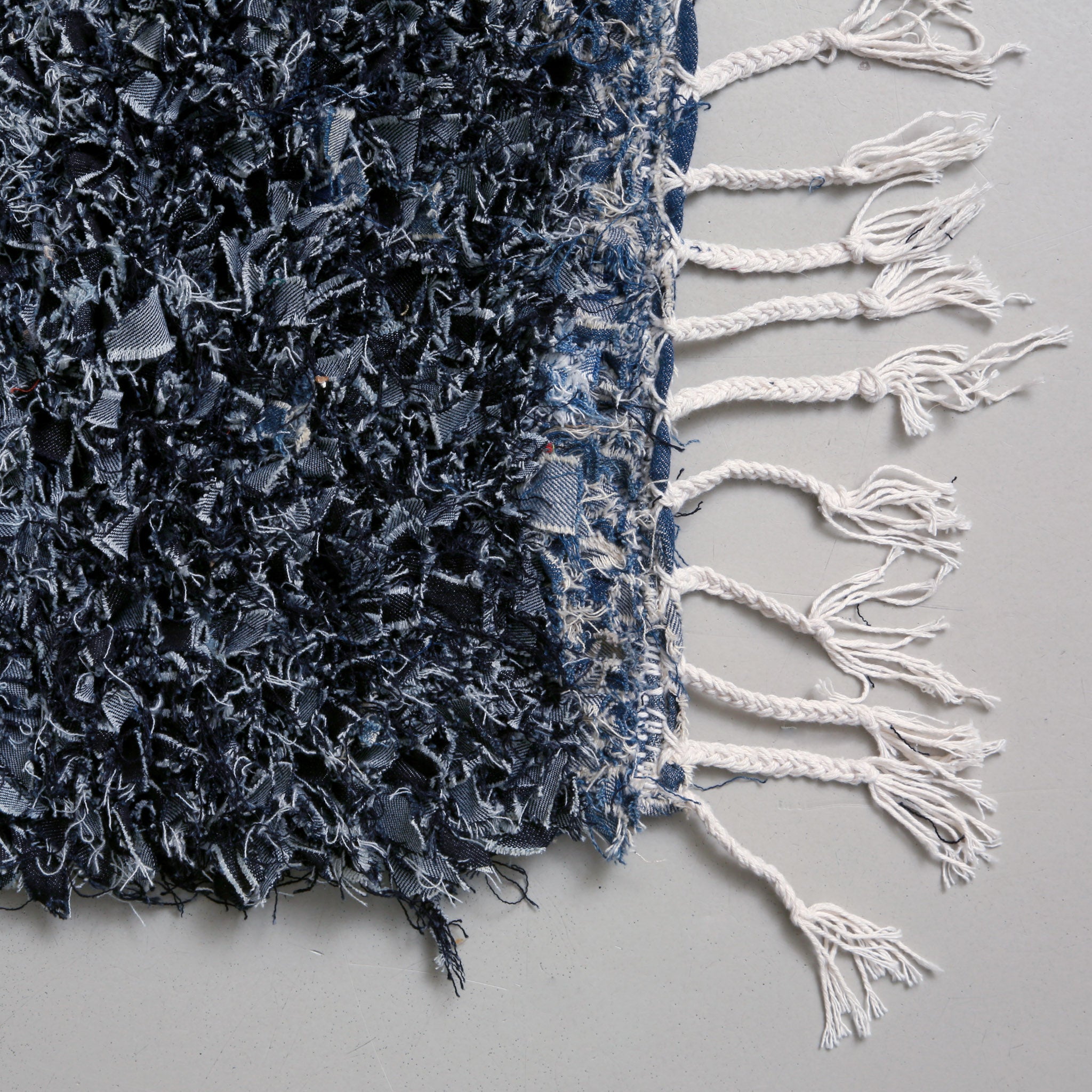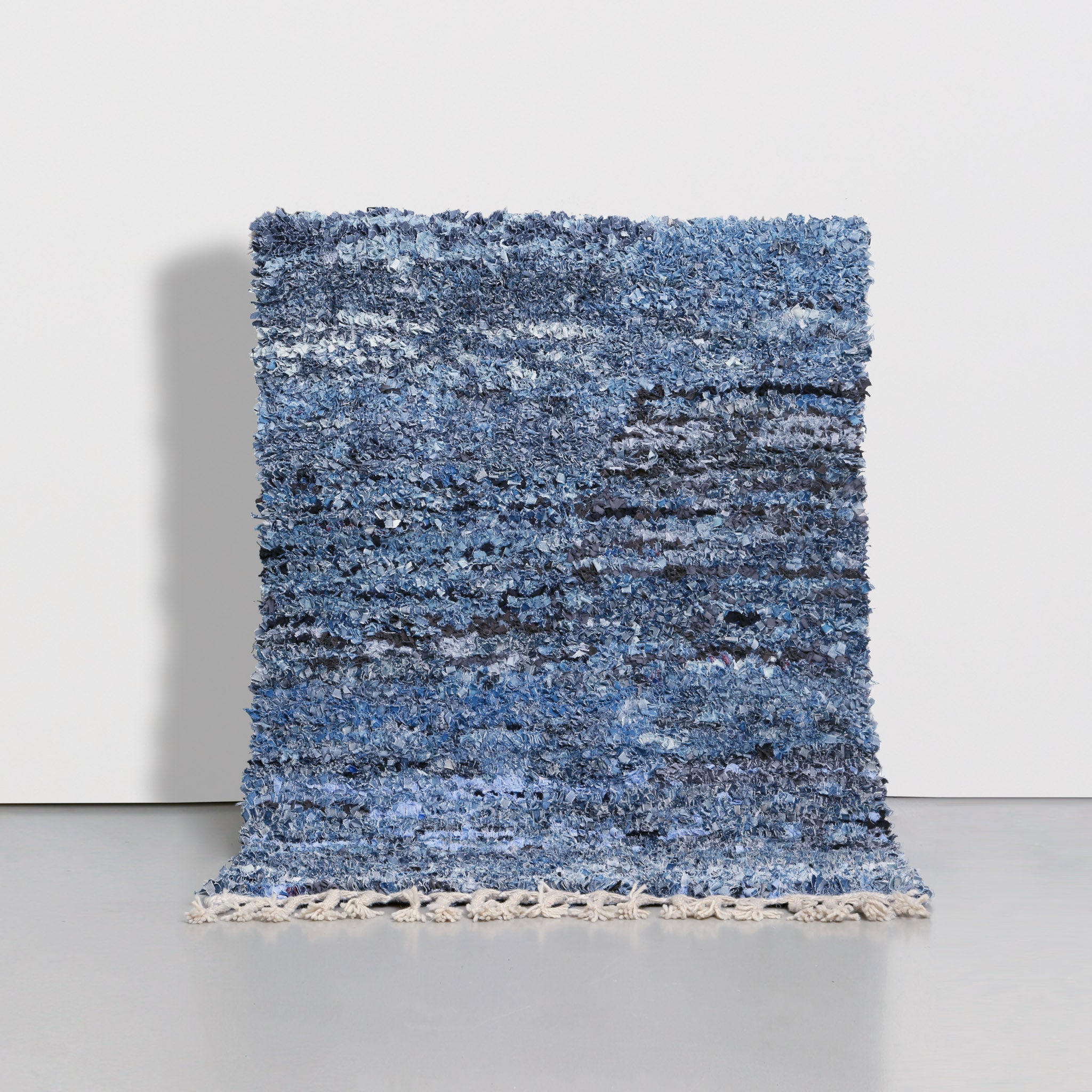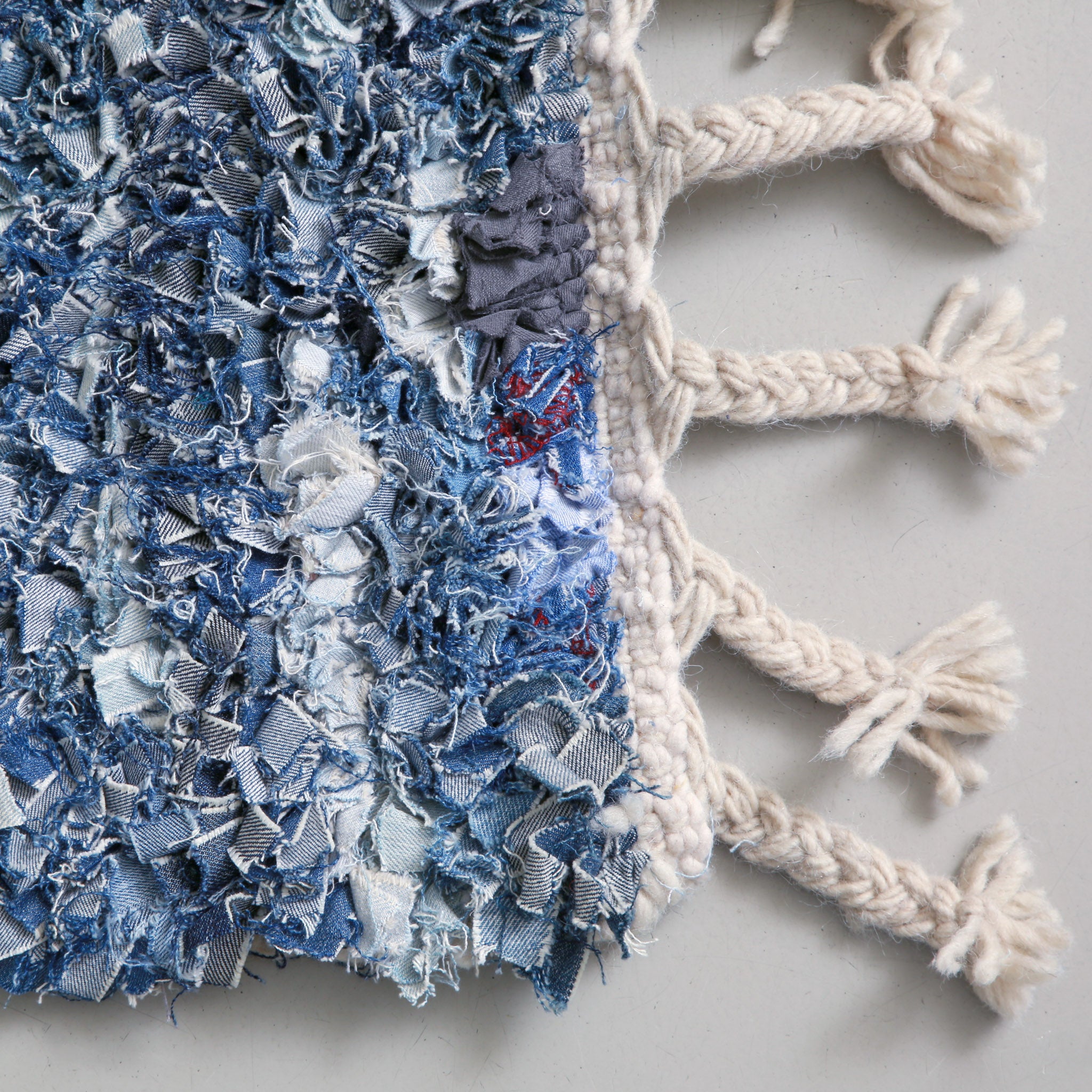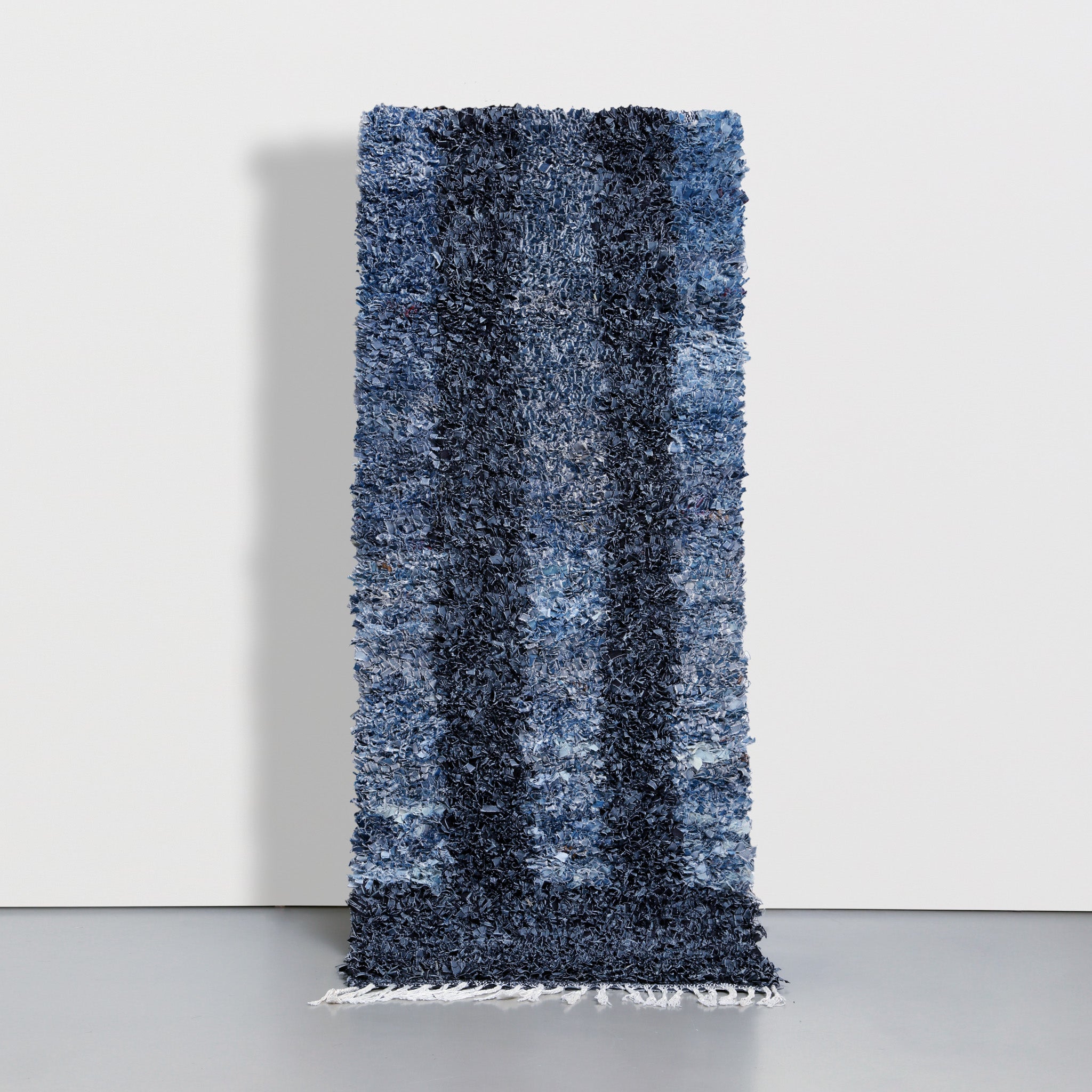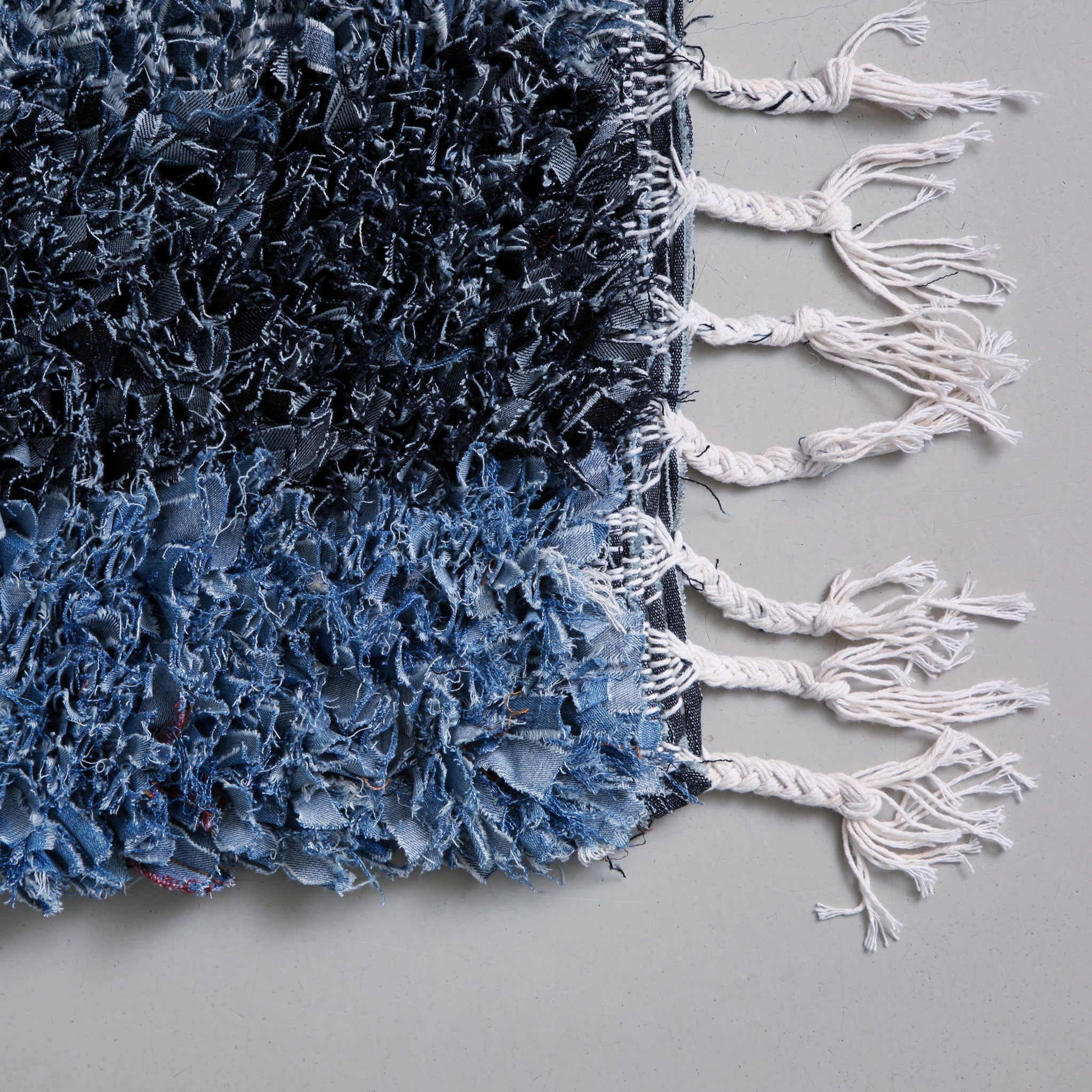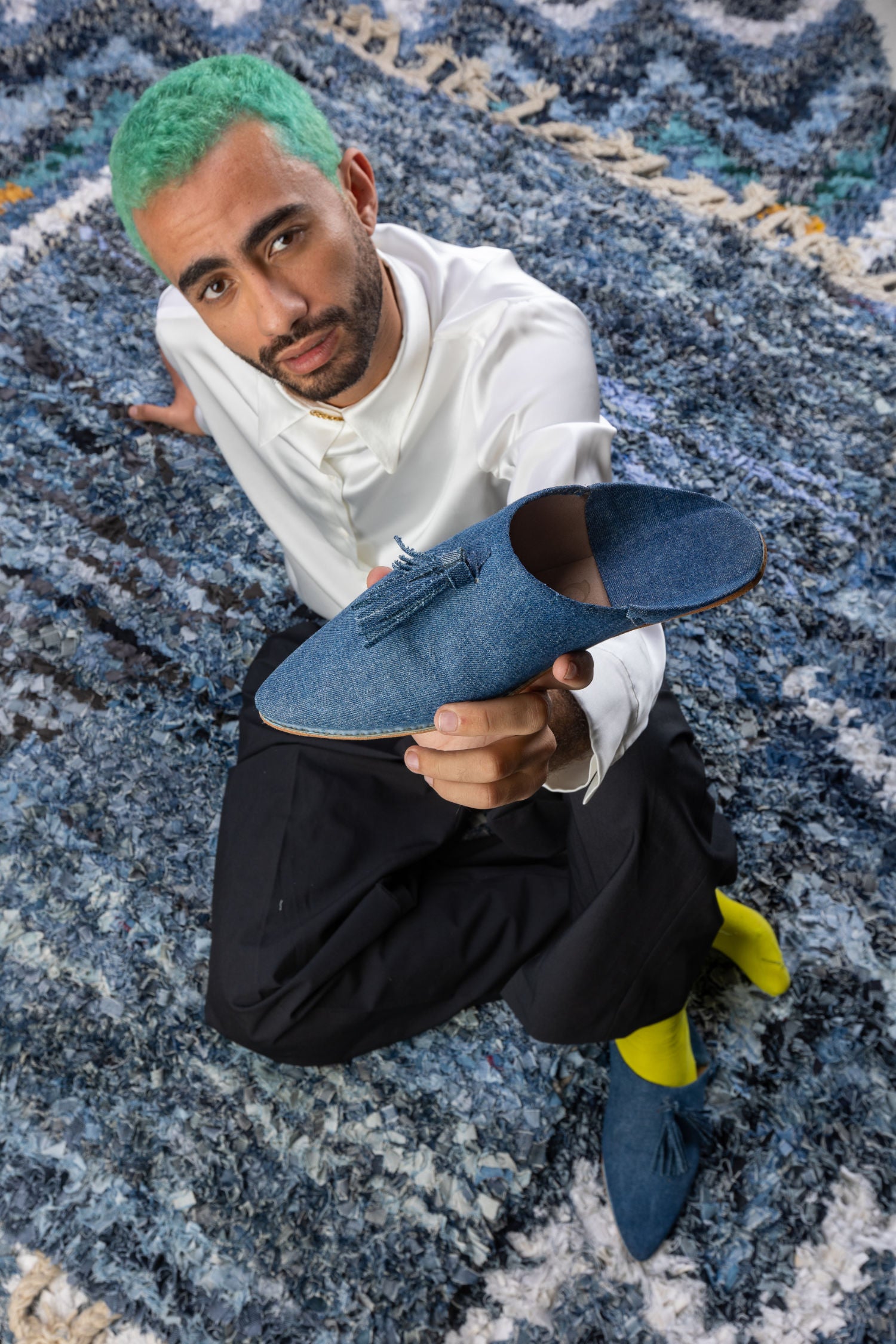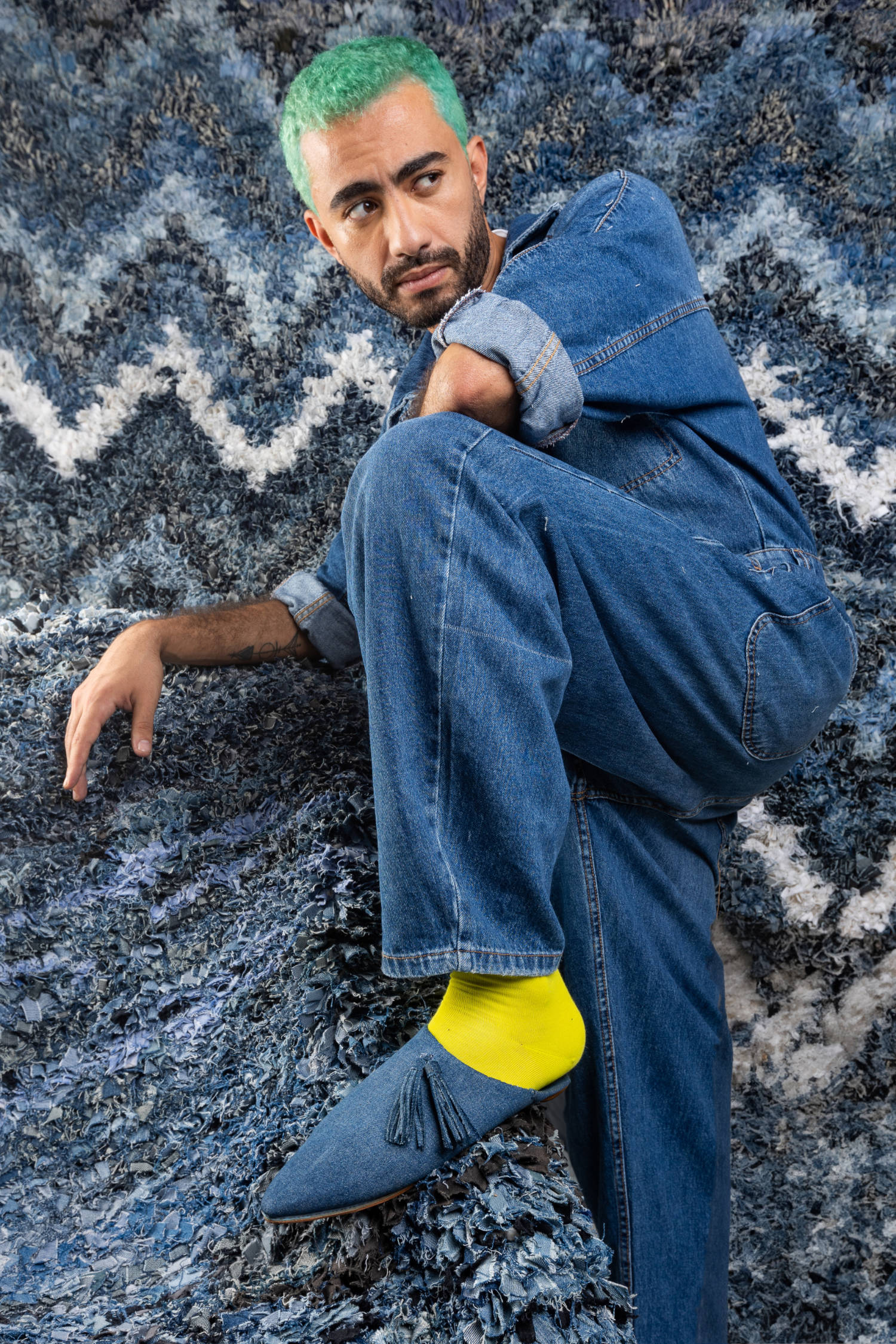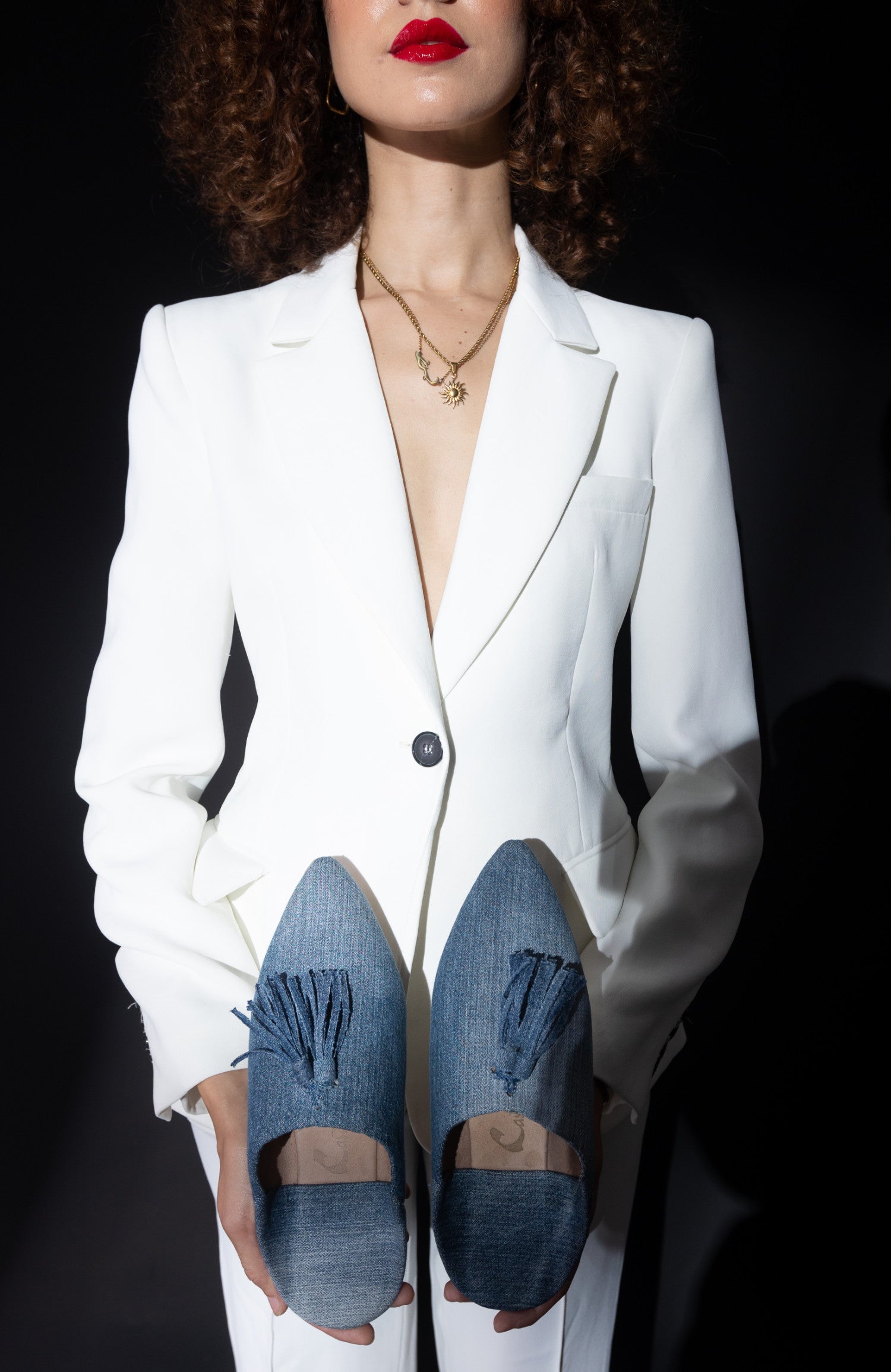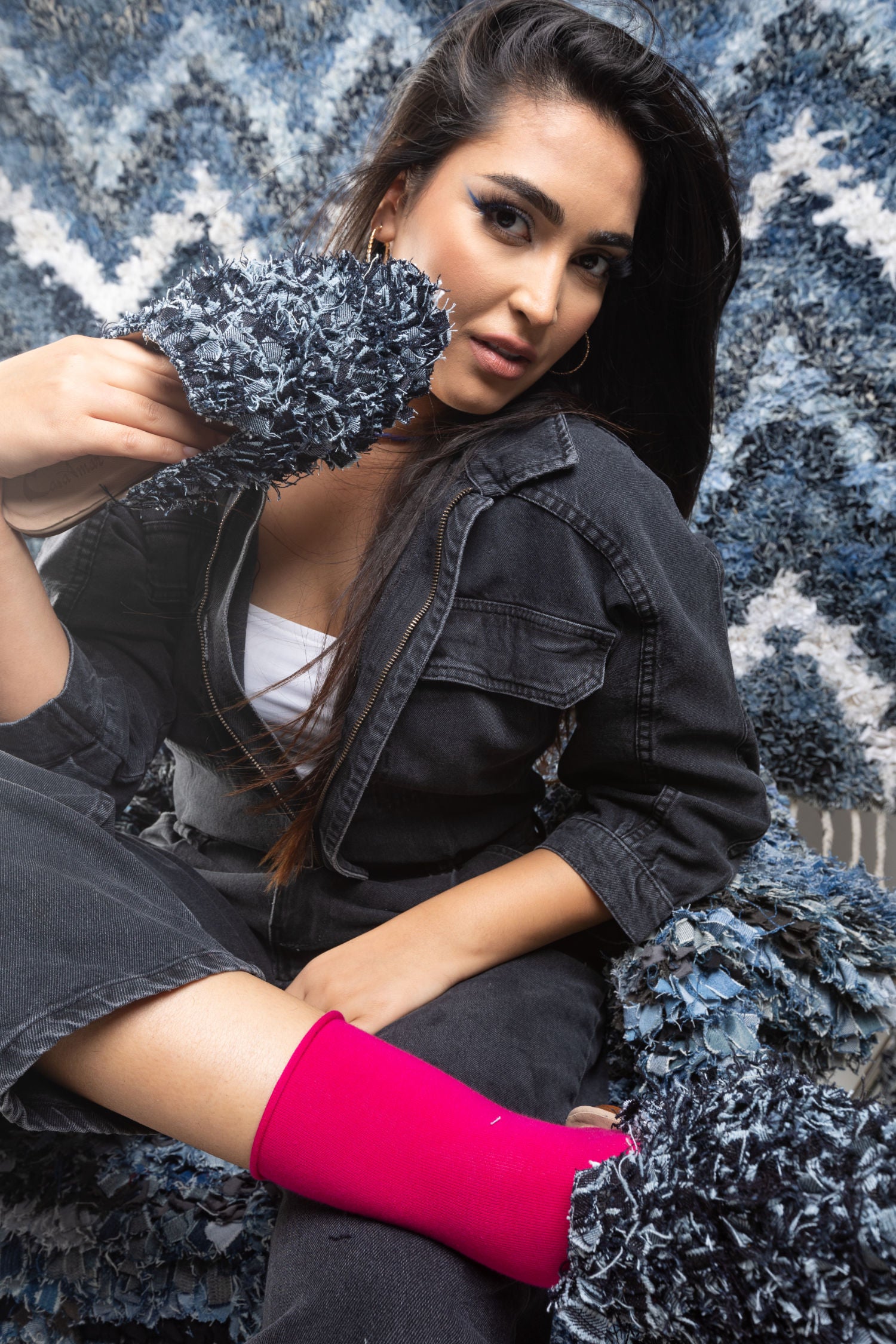

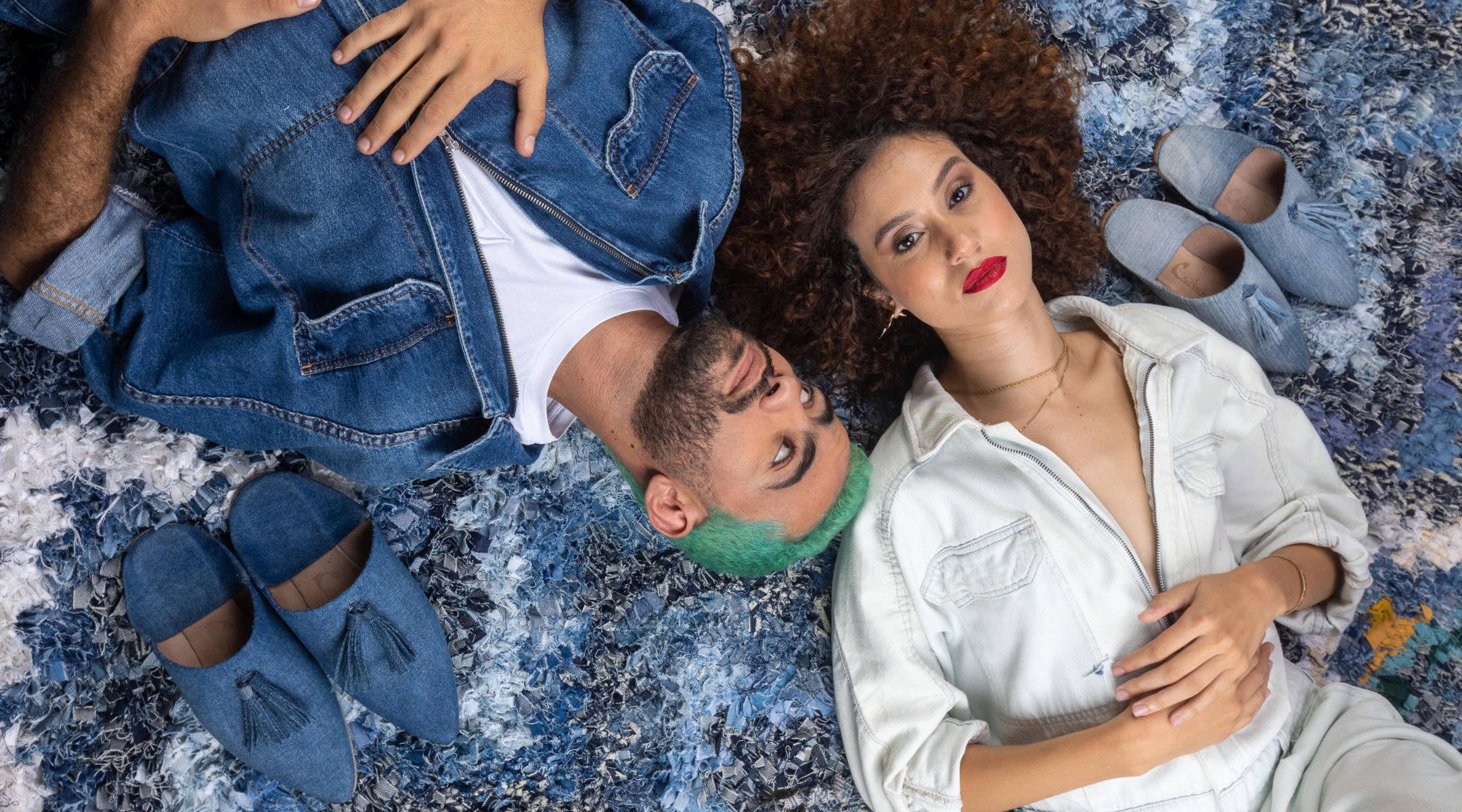
Denim is one of fashion's most polluting fabrics. This limited-edition capsule collection gives it a second life.
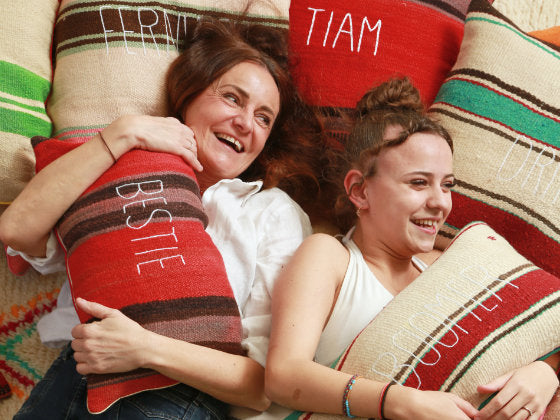
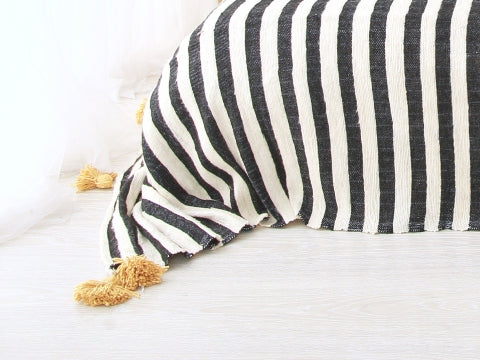
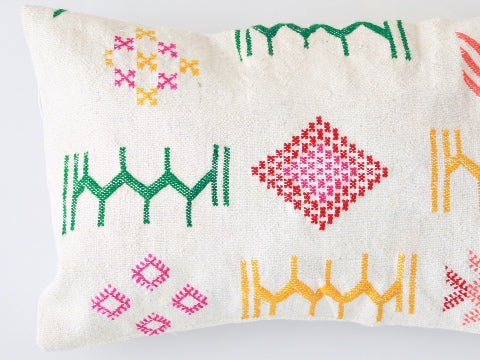
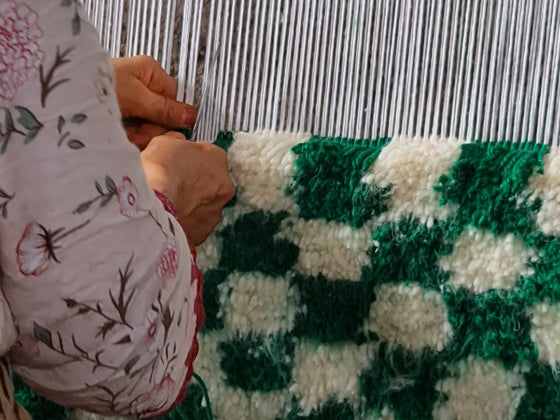
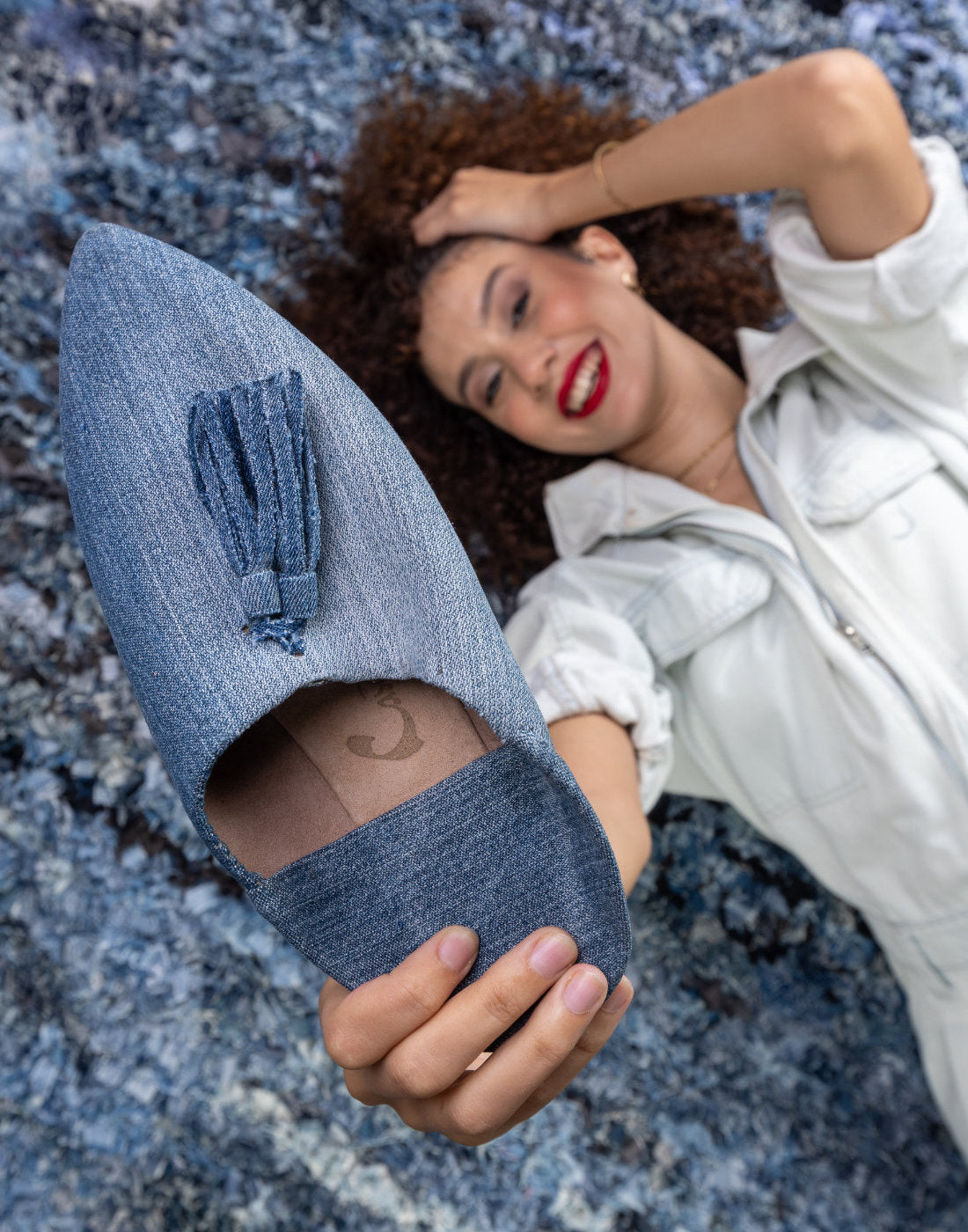
Rugs, cushions and babouches, are all handmade in Morocco by artisans who have always known how to make beauty from cast-offs.
Old jeans, reimagined
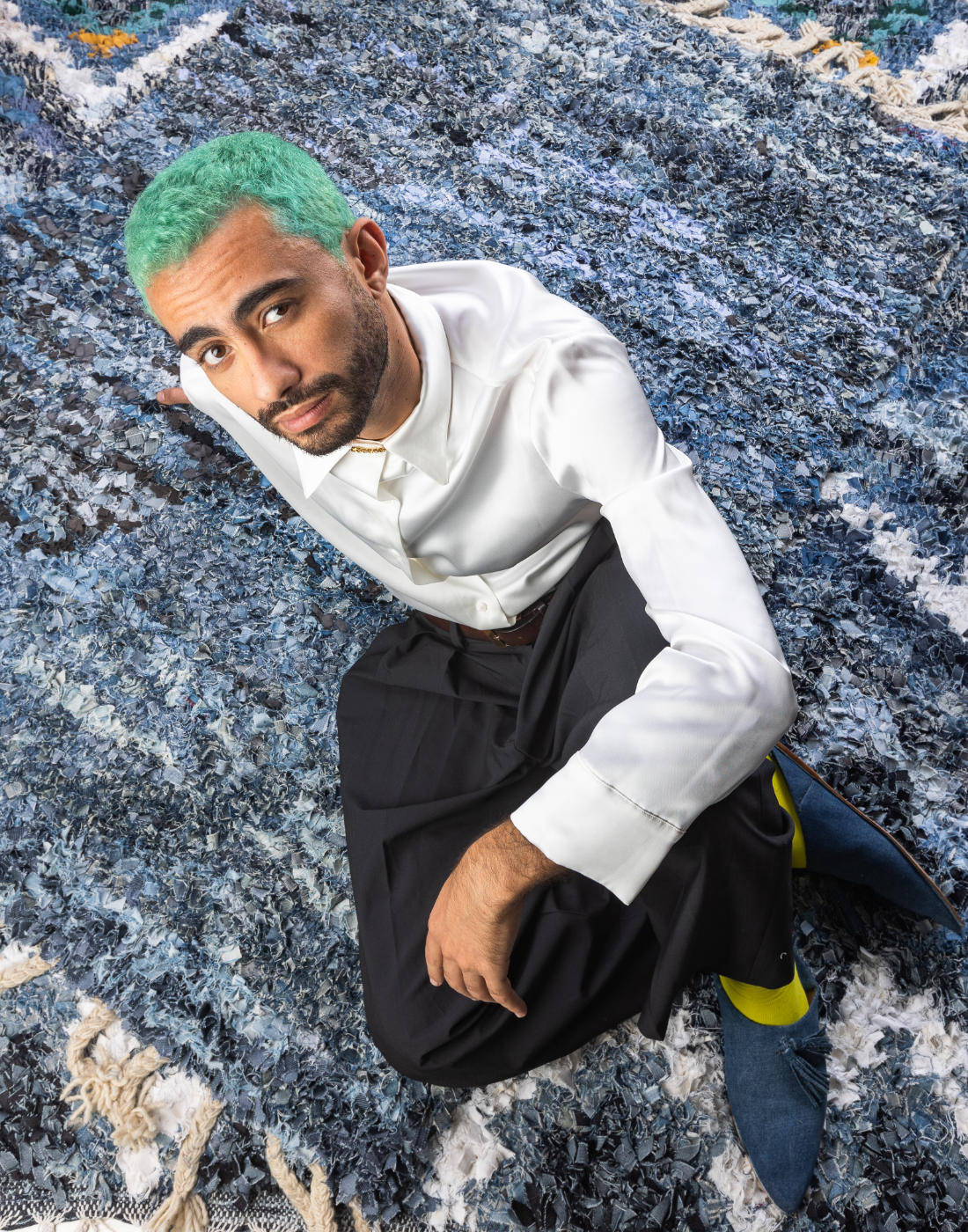
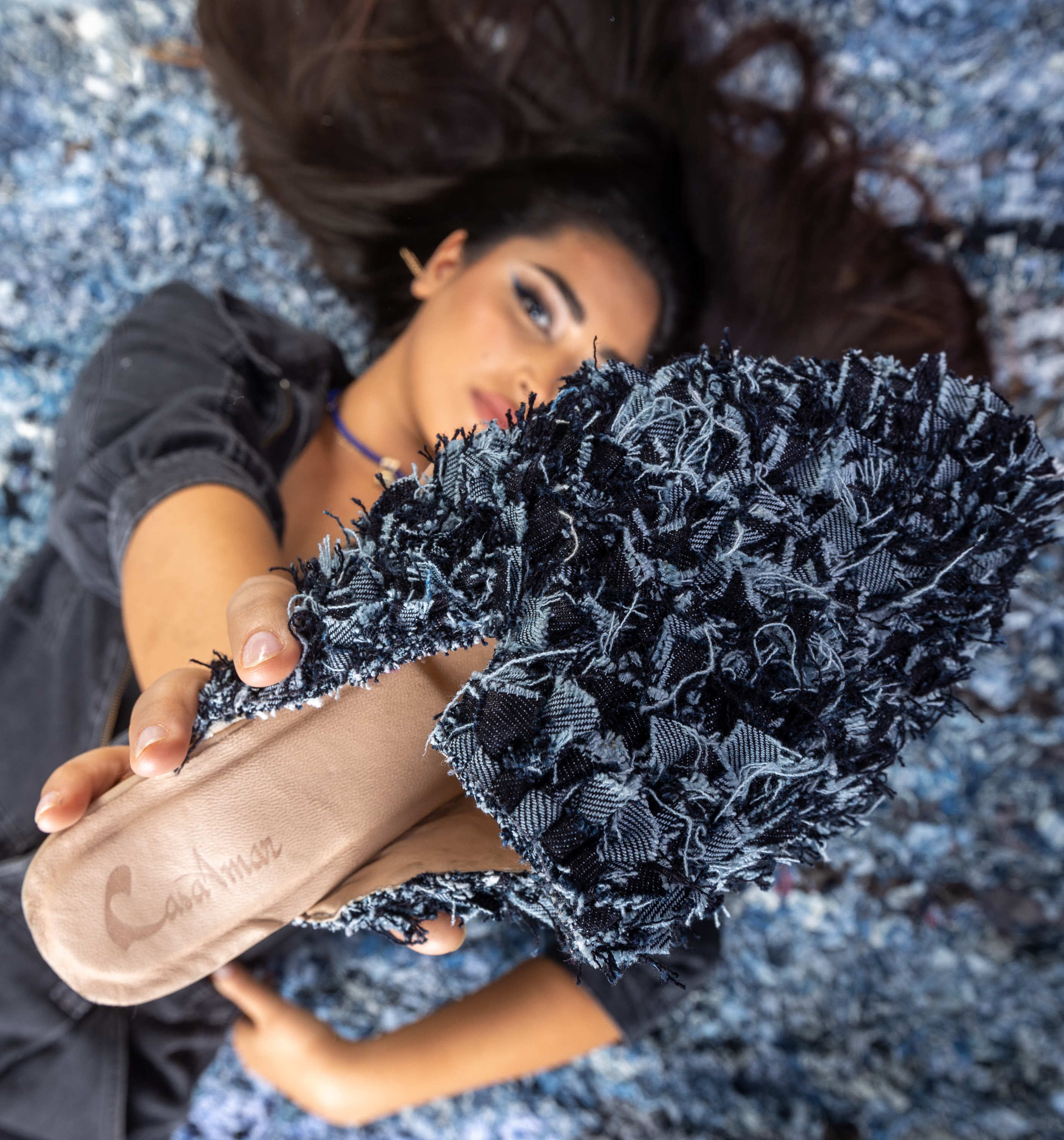
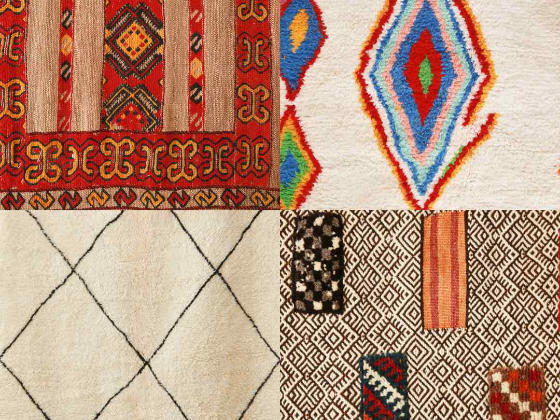
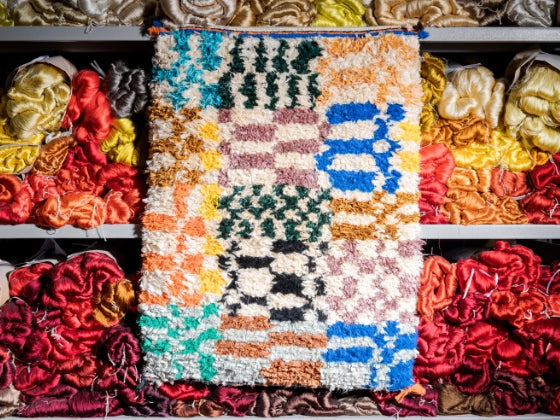
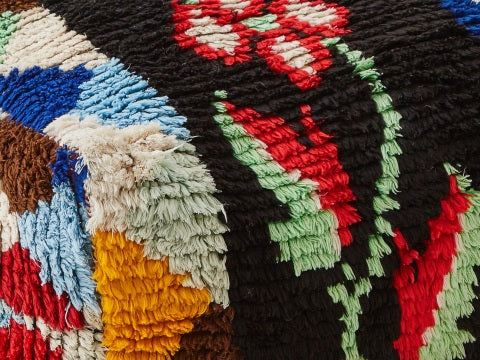
Boucherouite: old clothes, new rugs
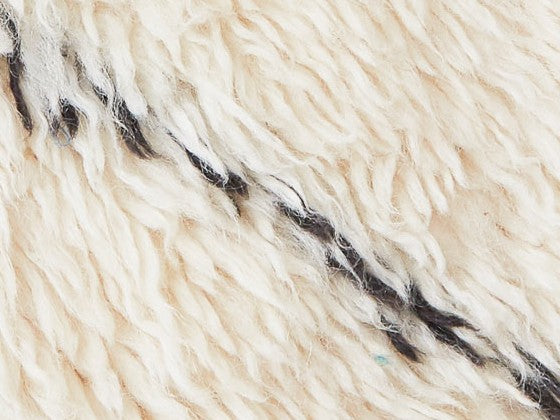
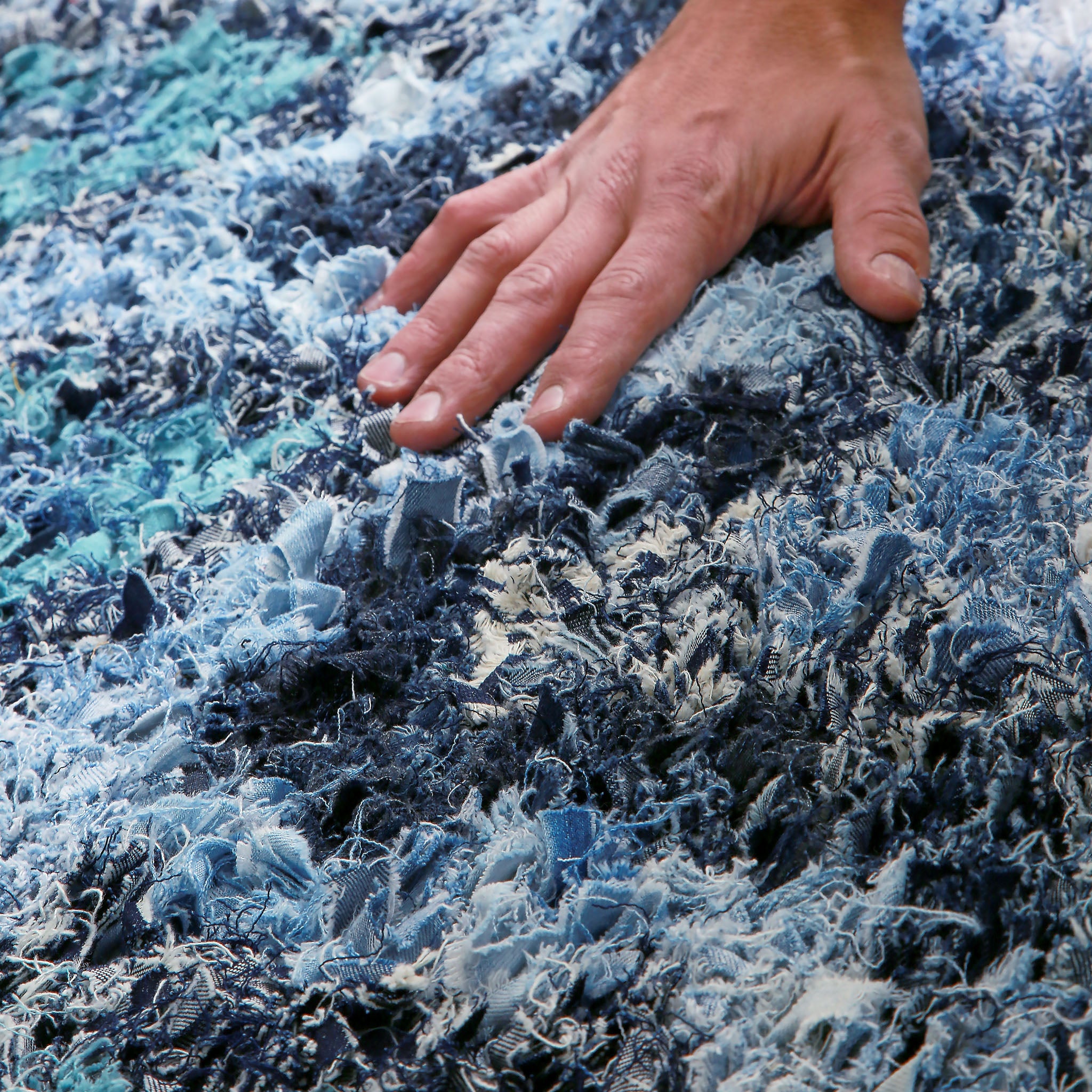
Boucherouite means "made of rags". These rugs first appeared in the 1950s, when wool had become expensive and hard to find. Rather than abandon an art form deeply rooted in Amazigh culture, women artisans began reusing old clothes and worn textiles from everyday family life.
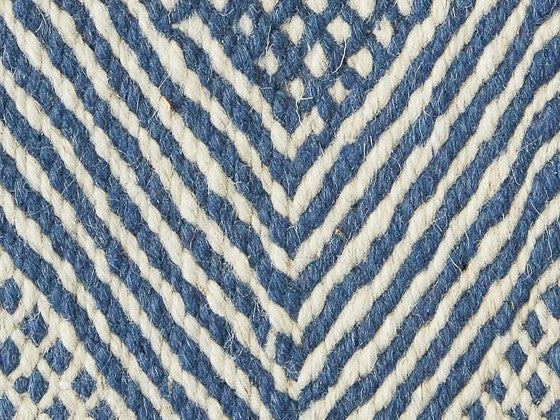
Hard-wearing and sustainable by nature, Boucherouite rugs are still made from reclaimed fabrics today. For this collection, we sourced hundreds of pairs of old jeans from Morocco's second-hand markets and recovered production offcuts, treating denim as a material for creative reuse.
A high-impact fabric, produced on a massive scale
Did you know that producing a single pair of jeans requires around 10,000 litres of water? Today, denim accounts for roughly 35% of the world’s cotton production.
From dyeing to the treatments used to create faded and worn effects, denim production relies on processes that damage both the people who make it and the planet.
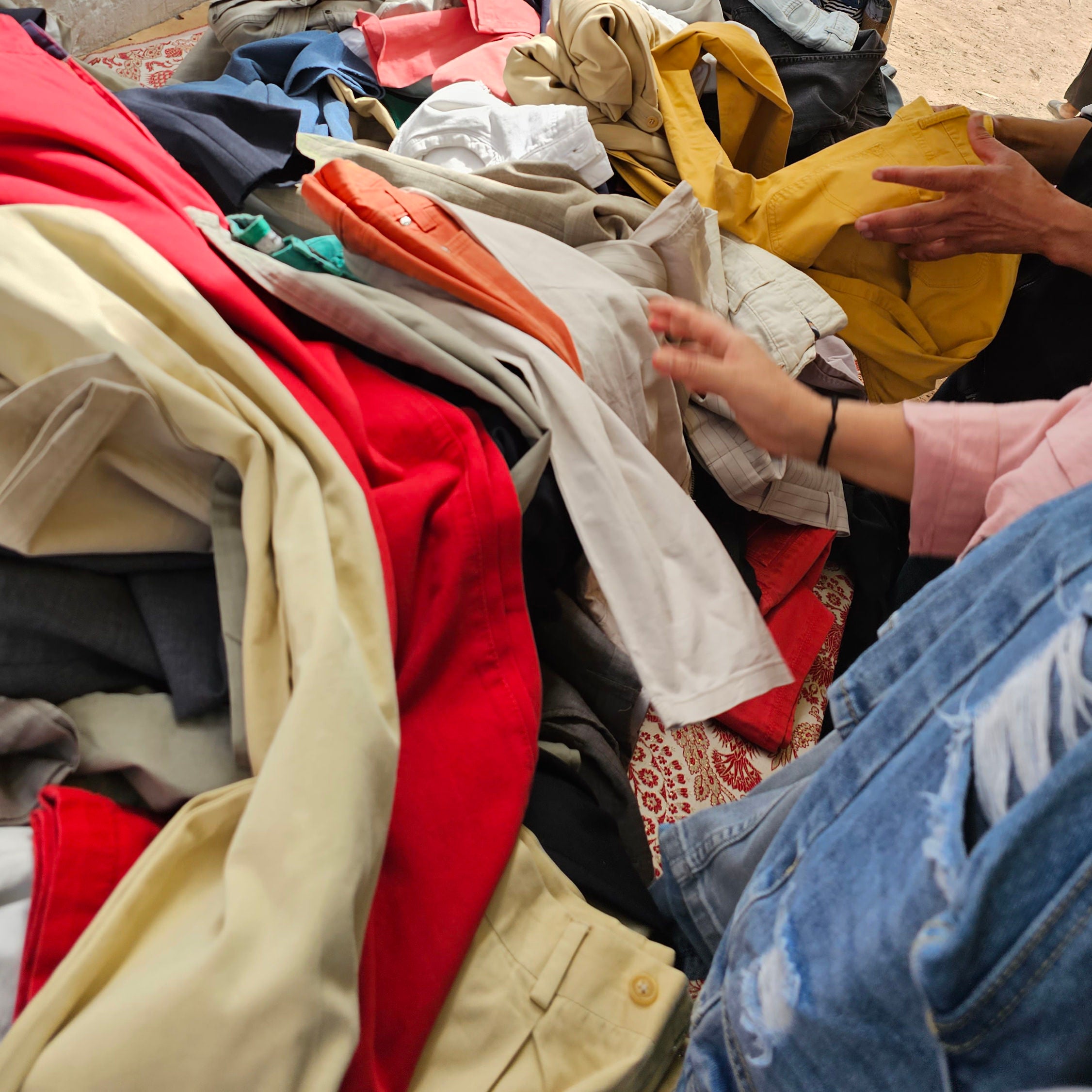
Where do jeans go when they are no longer worn?
More than 4.5 billion pairs of jeans are sold every year, for a world population of 7.8 billion people.
Only a small share is reused, while a far larger portion is either incinerated or dumped in the landfill sites of the world's poorest countries.
Discover all our handmade pieces