




Zindekh Handwoven Textile Wall Hangings
Not quite a rug, not just a tapestry, not exactly a picture either: these small Moroccan textile pieces sit somewhere in between. They are textile wall hangings, soft artworks and unusual decorative accents with a free-spirited, one-of-a-kind character.
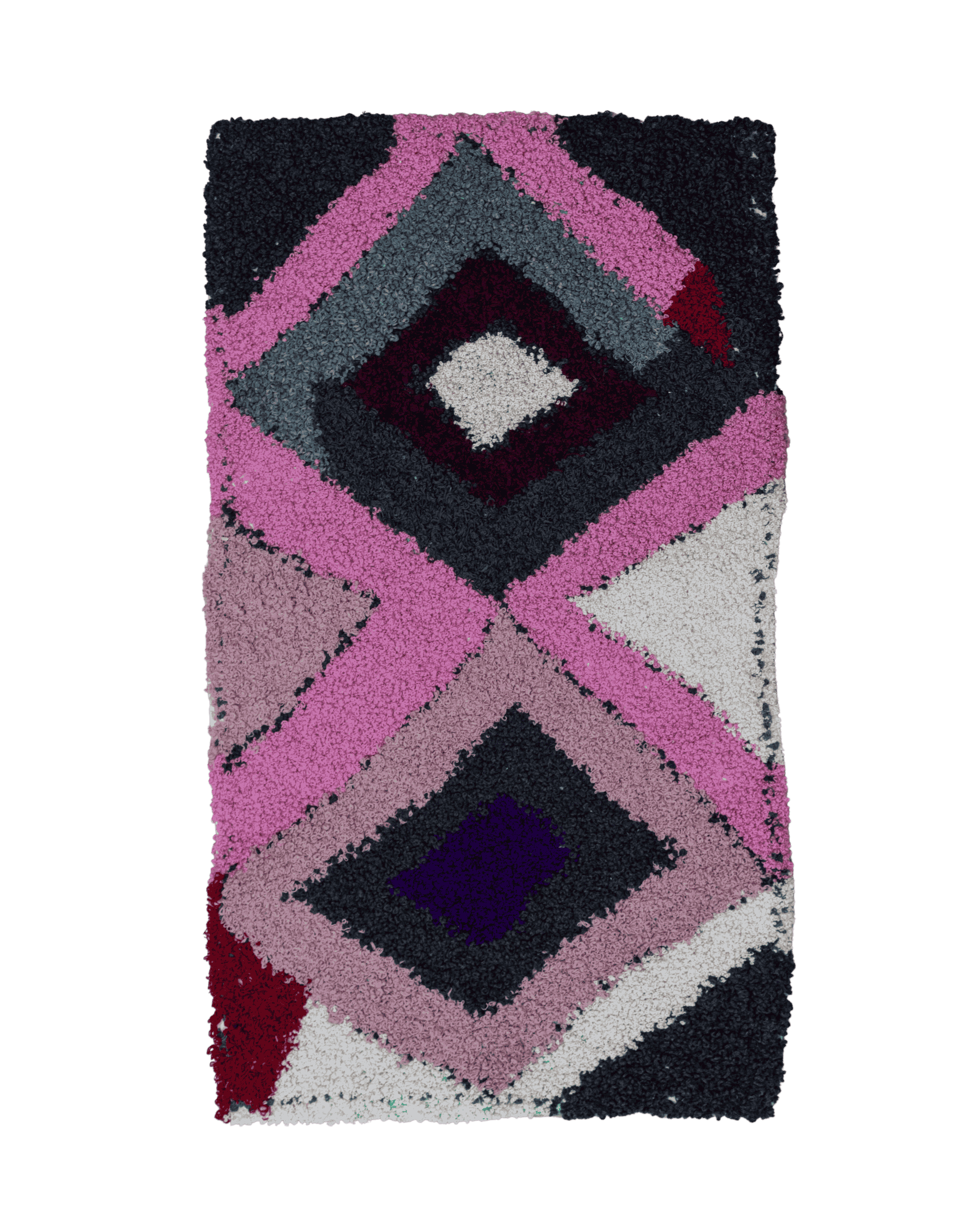


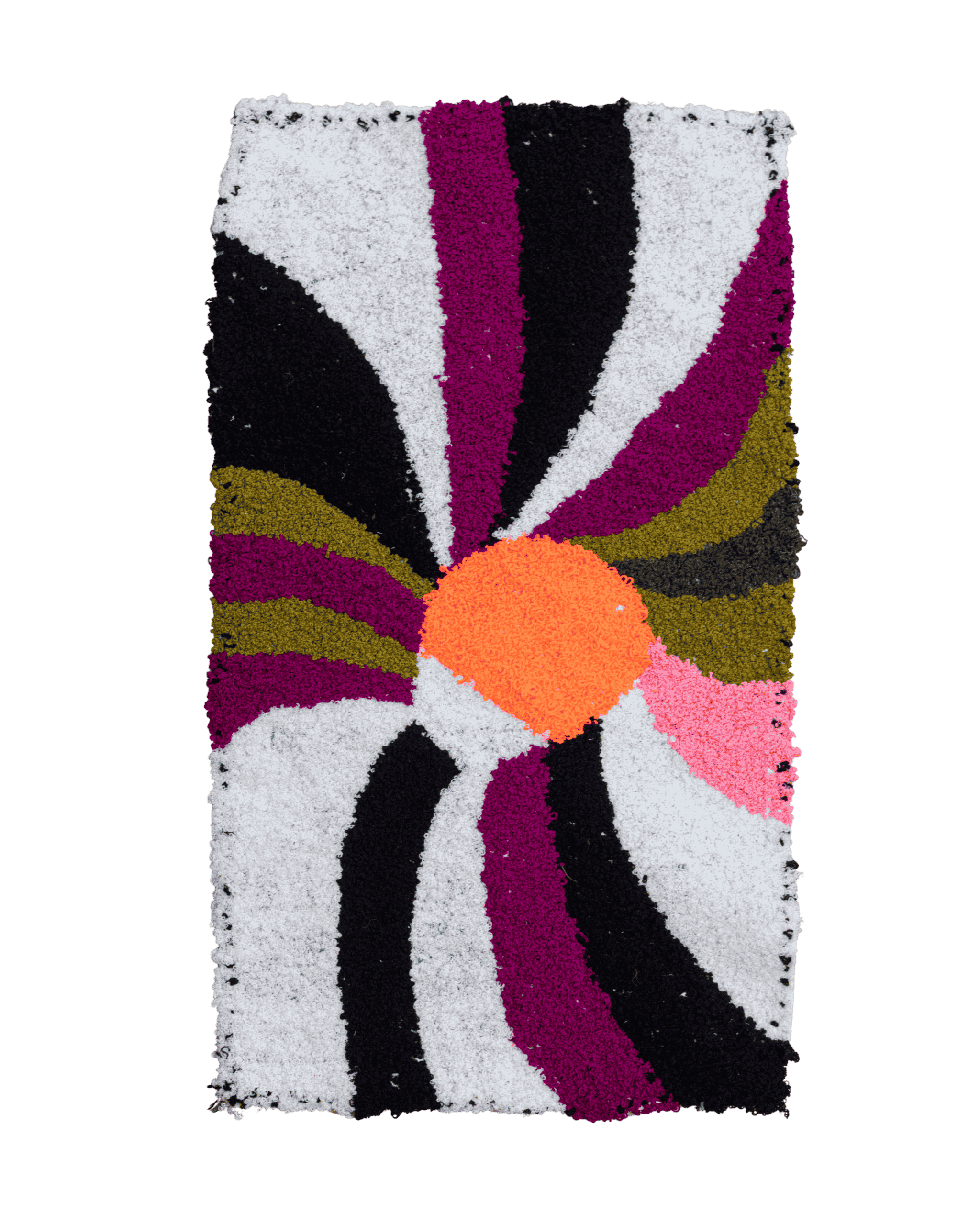


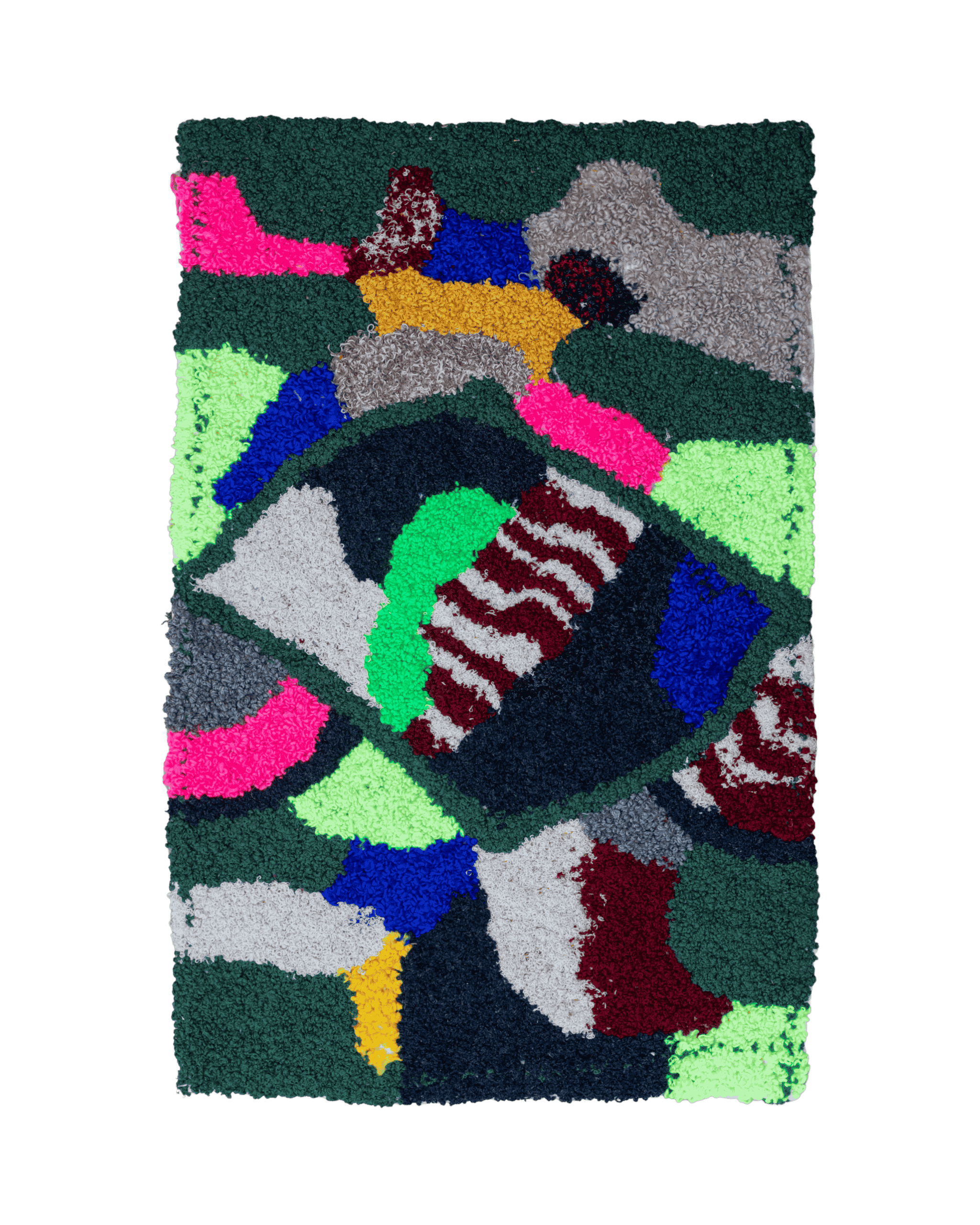
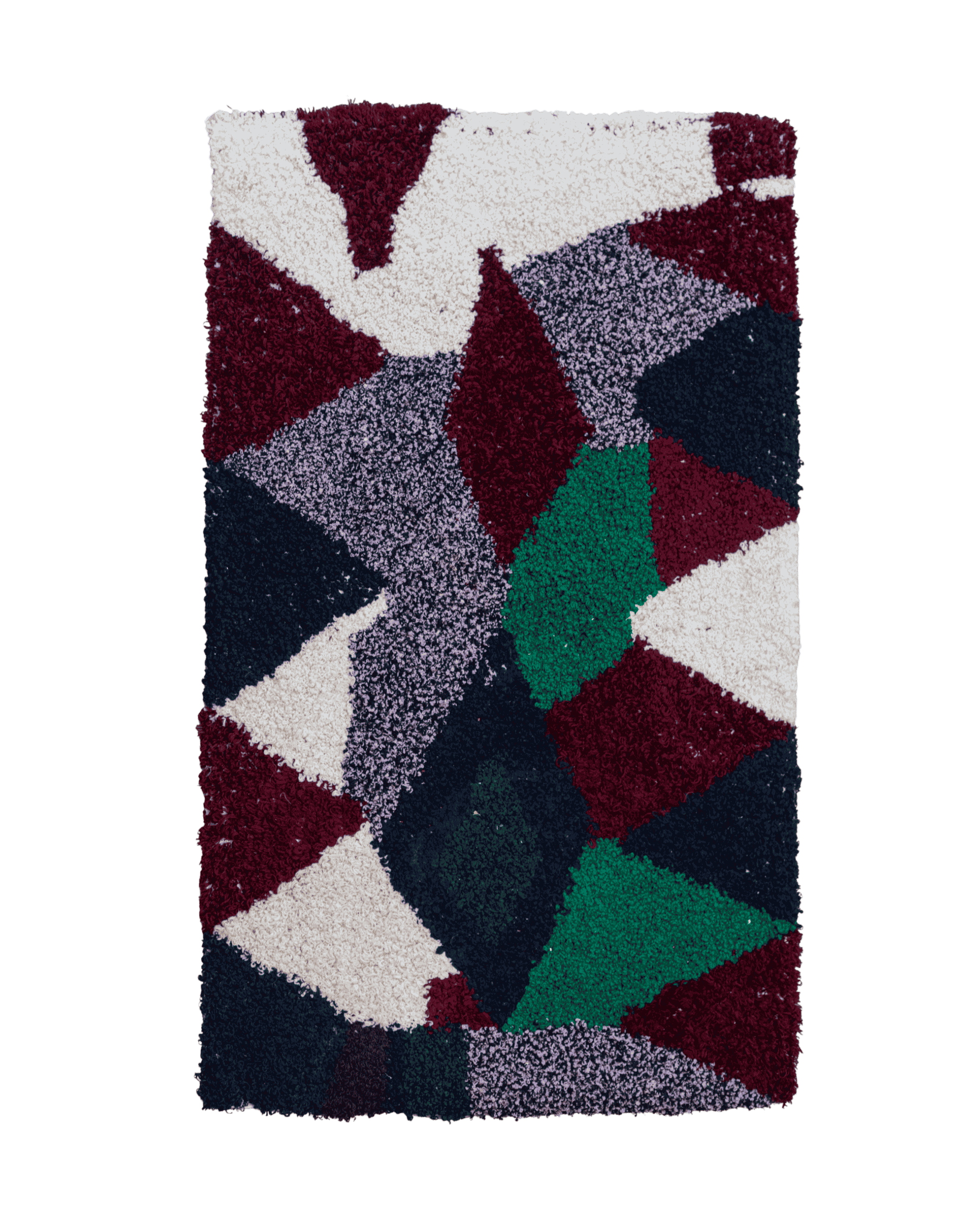

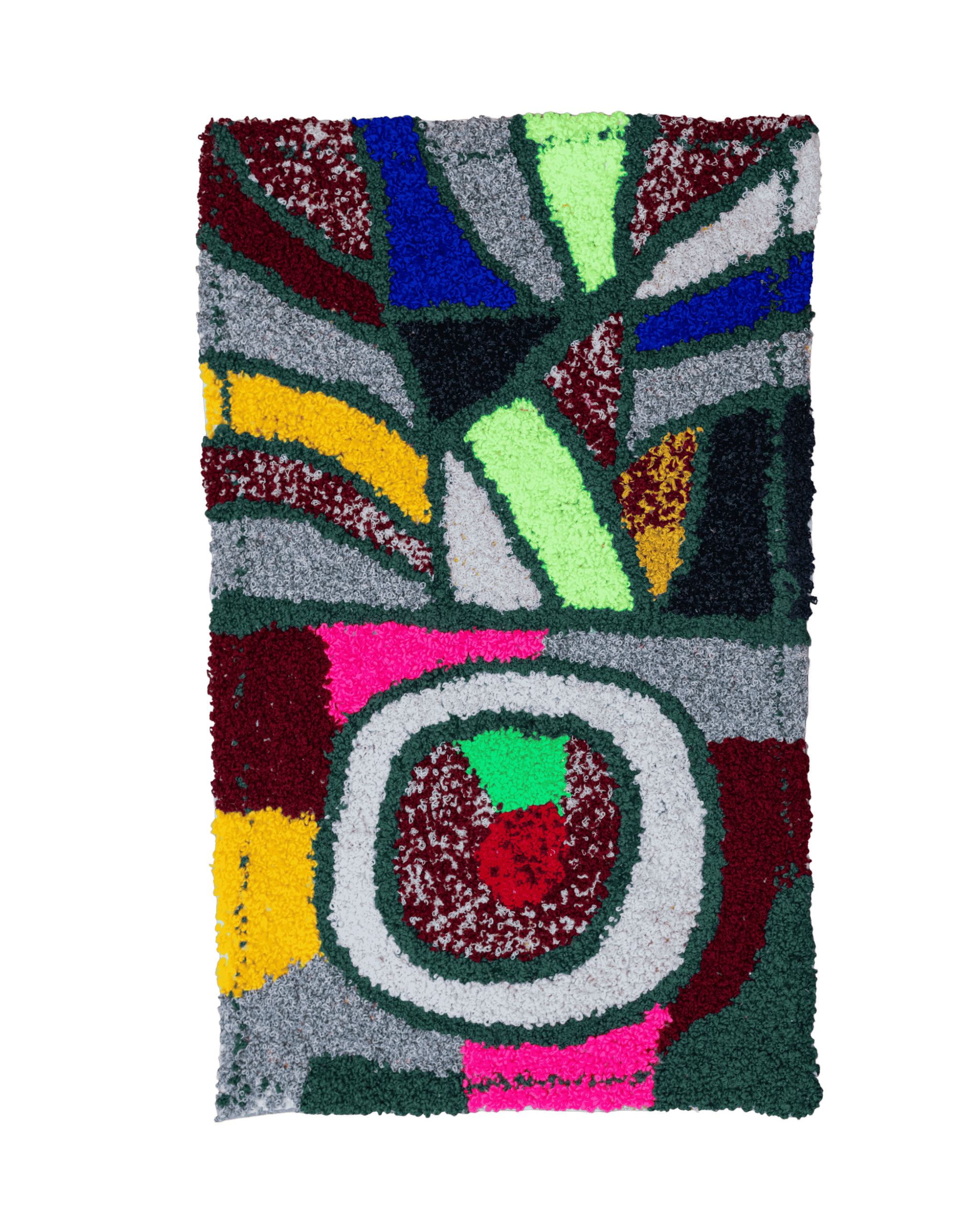

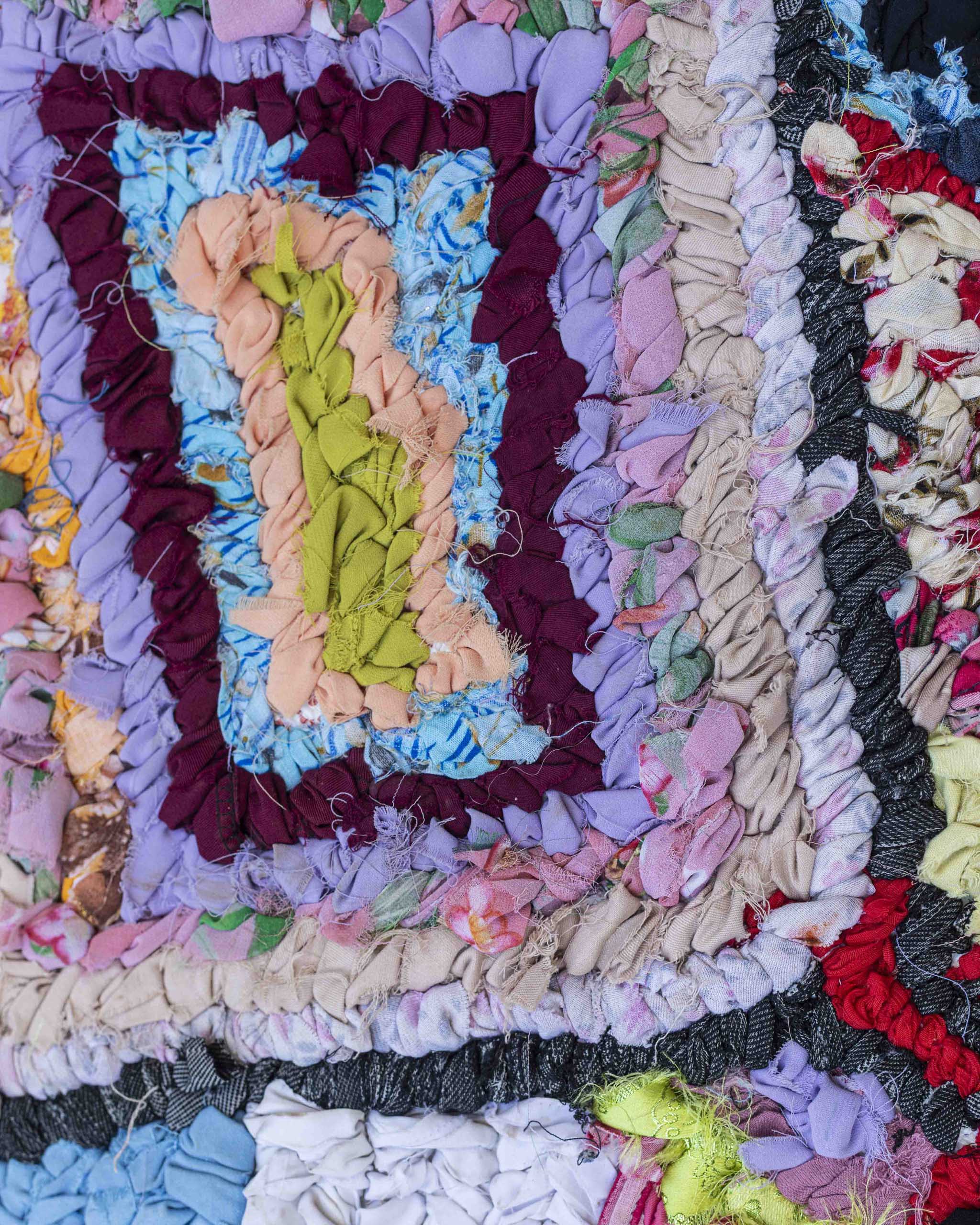
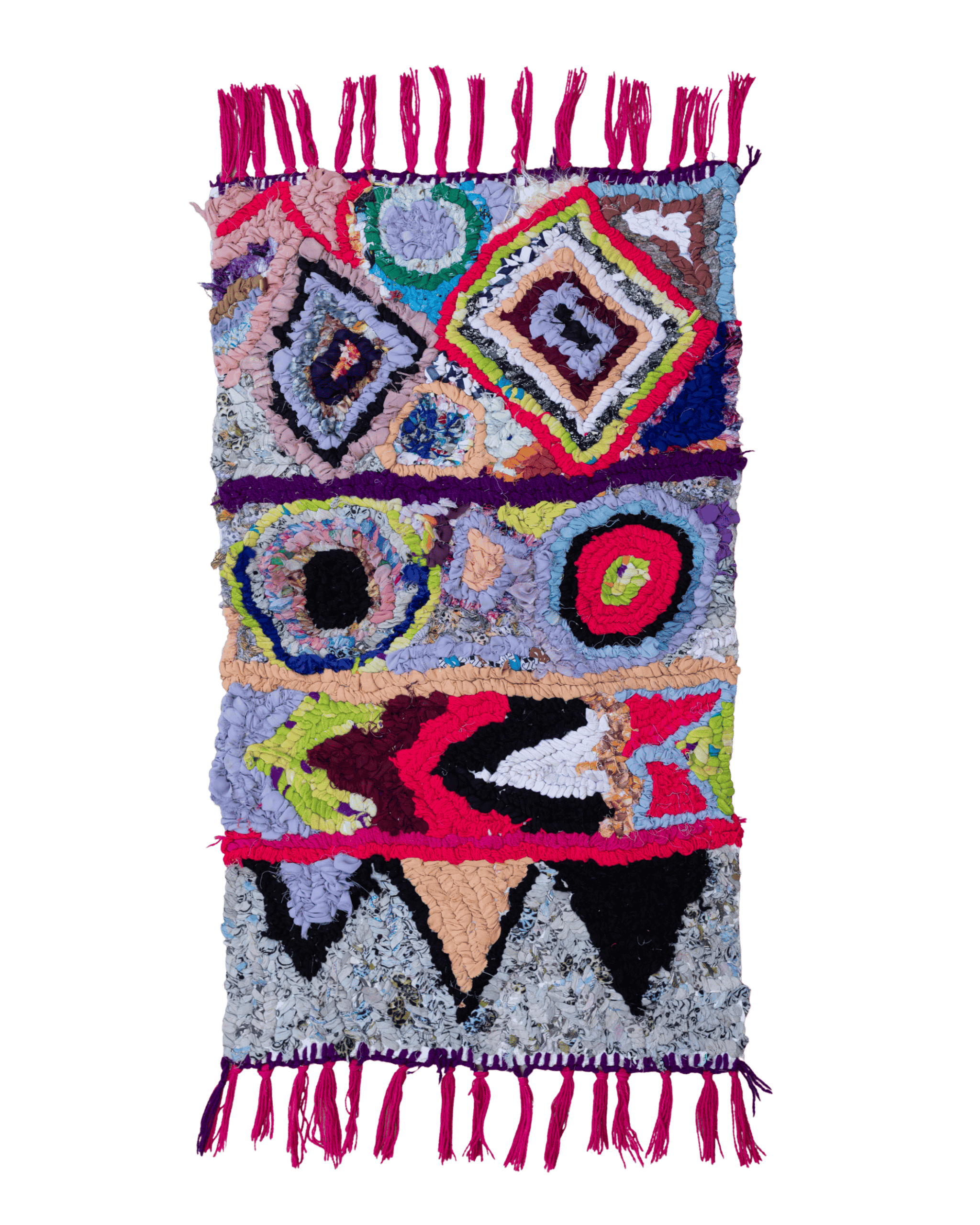
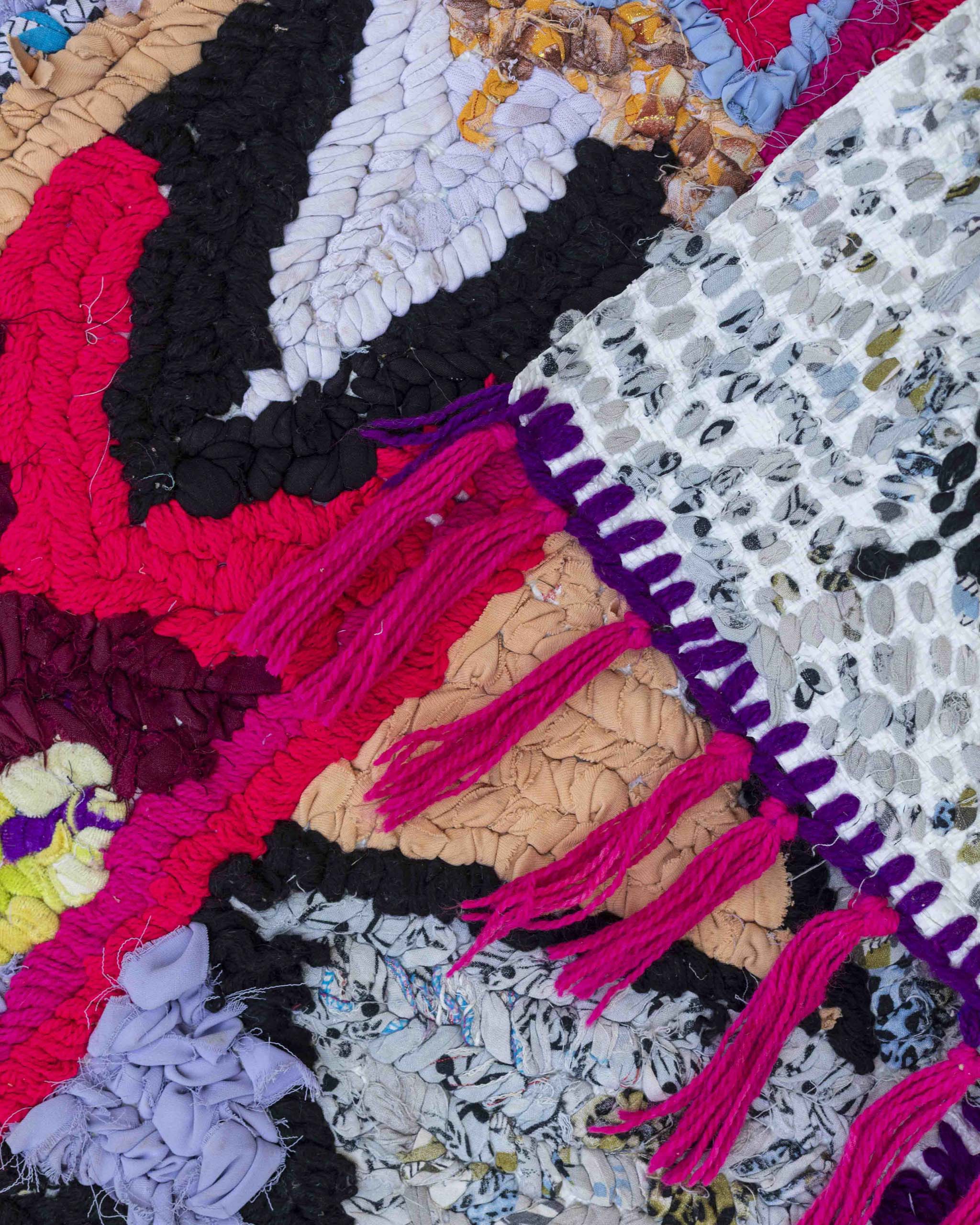


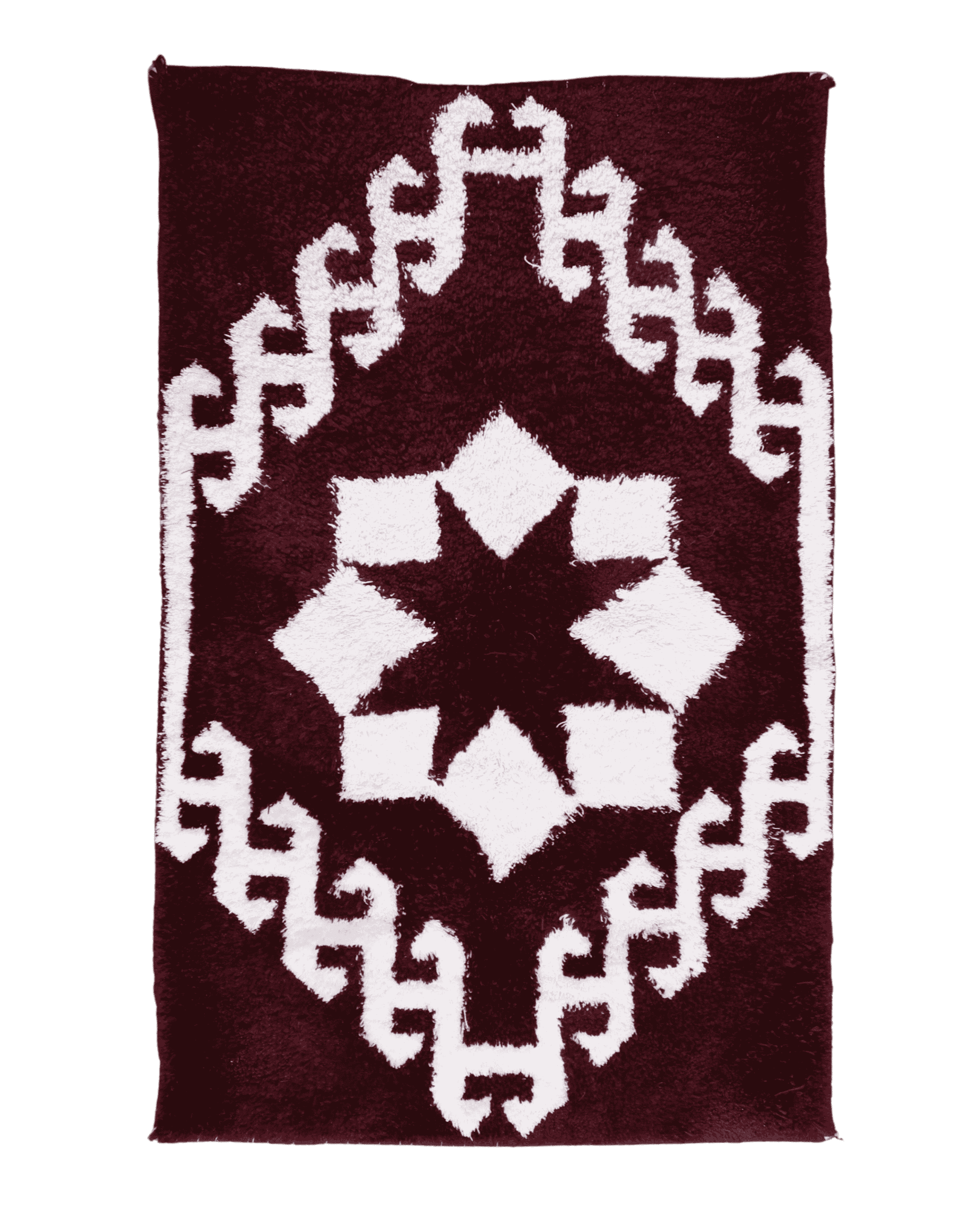
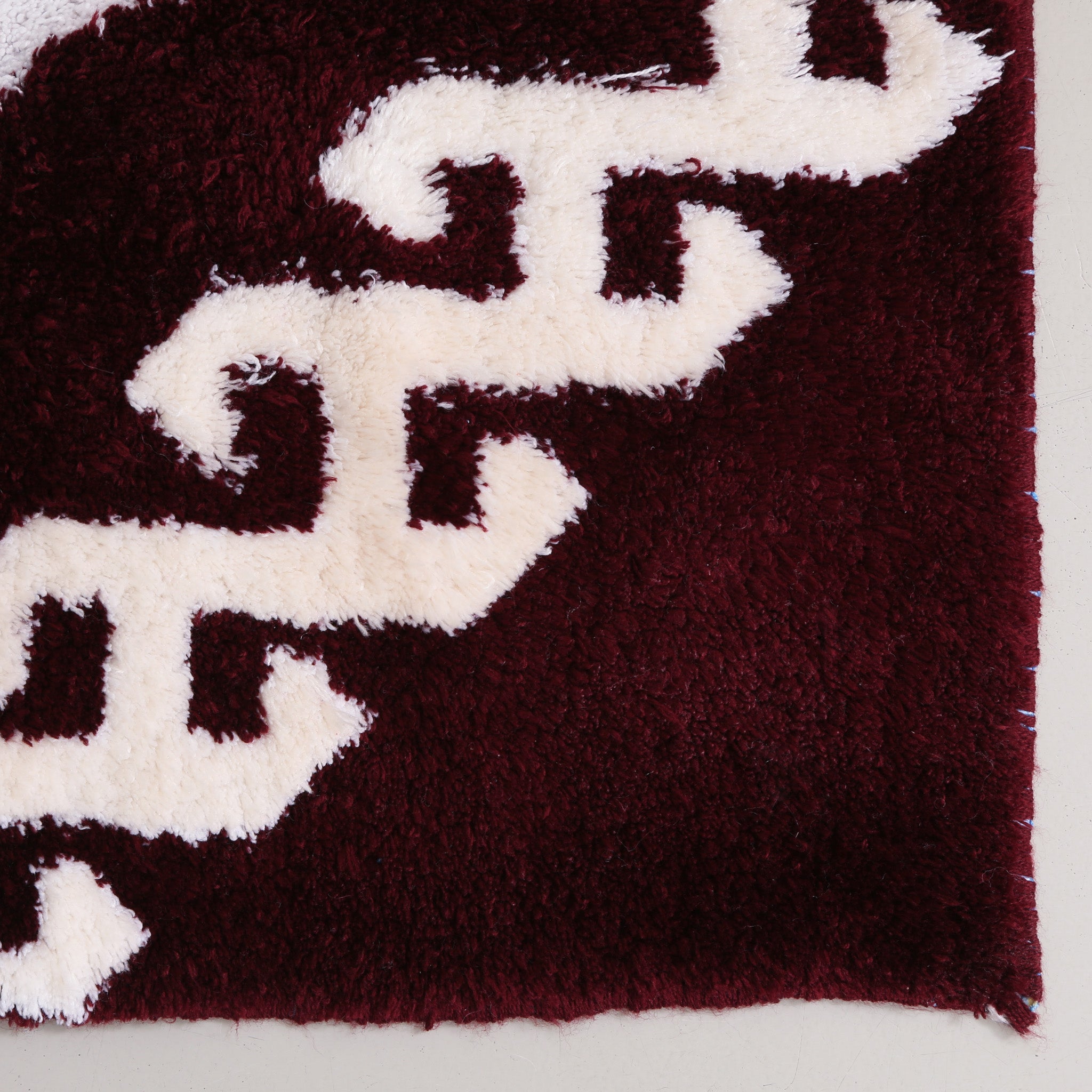
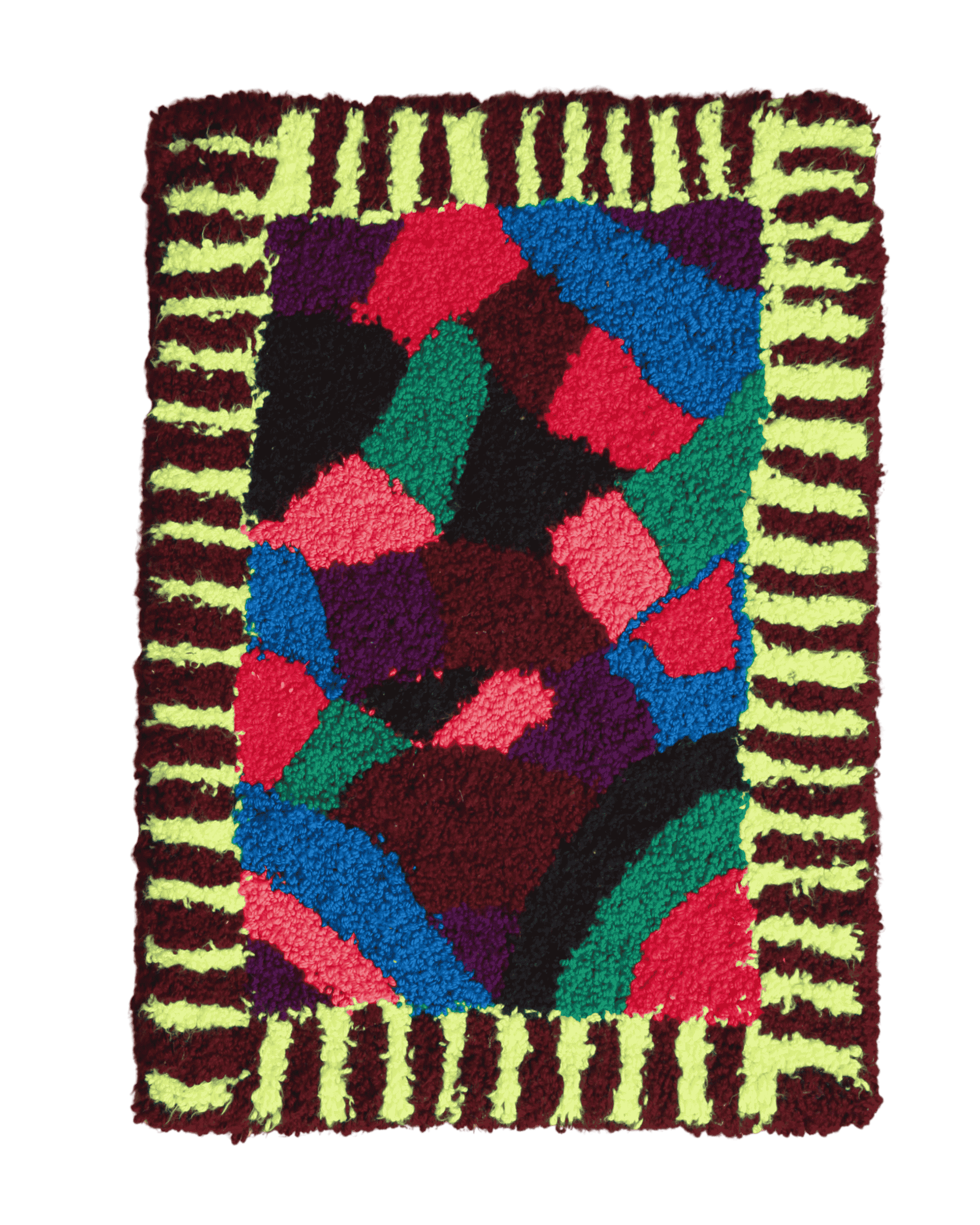
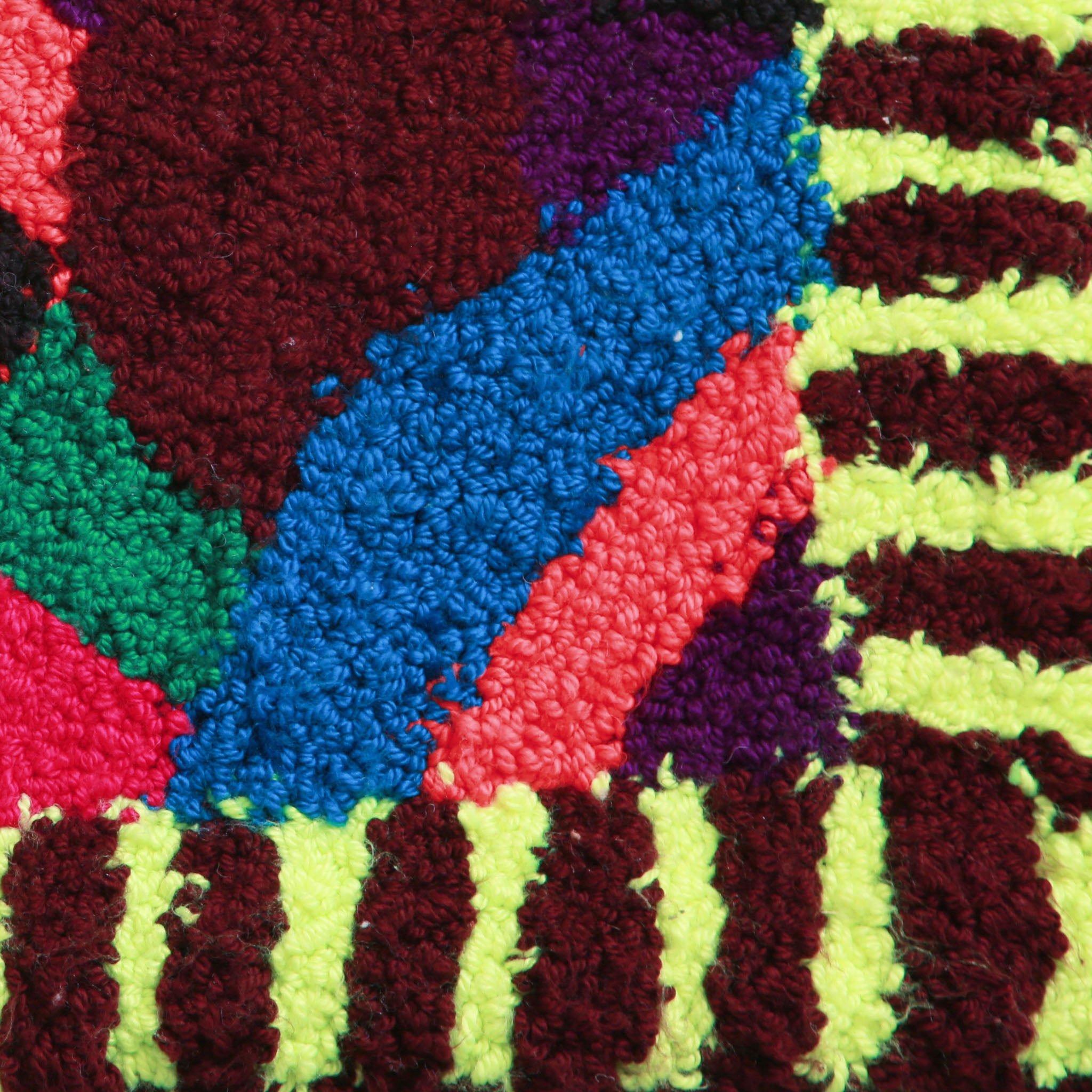
Some of the most significant things come in small formats. Drawings by Picasso. Pages torn from a sketchbook. Small textile pieces charged with memory, gesture and colour. Zindekh belong to this logic: objects whose scale is irrelevant to their intensity.
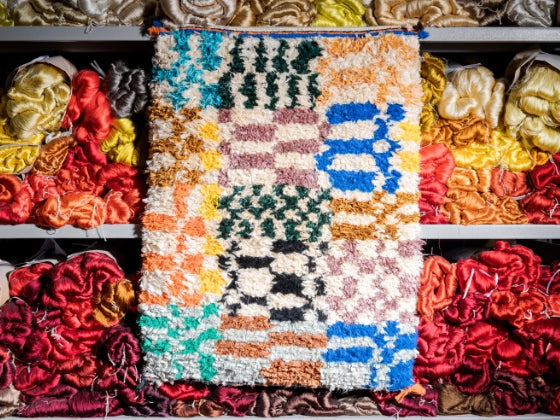
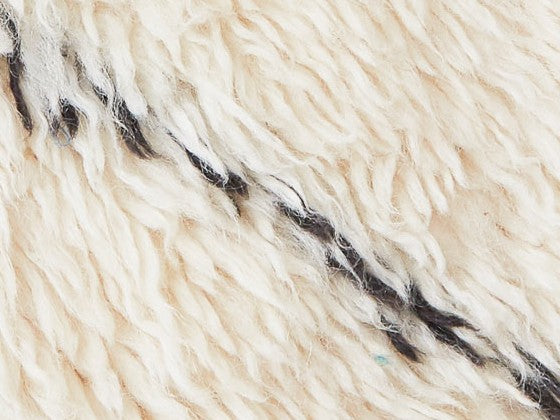
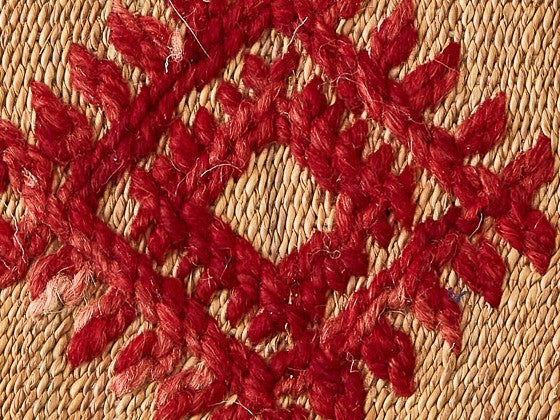
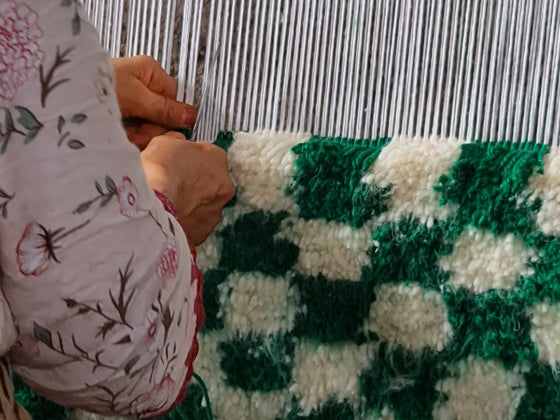
These handwoven fabric wall hangings are built on recycled base materials, often repurposed flour, grain or rice sacks, and worked with a punch-needle technique using mixed reclaimed yarns. No pattern guides the hand. What guides it is instinct: the artisan’s own sense of colour, rhythm and free-form composition. Each piece is a one-of-a-kind, unrepeatable event in textile wall art.
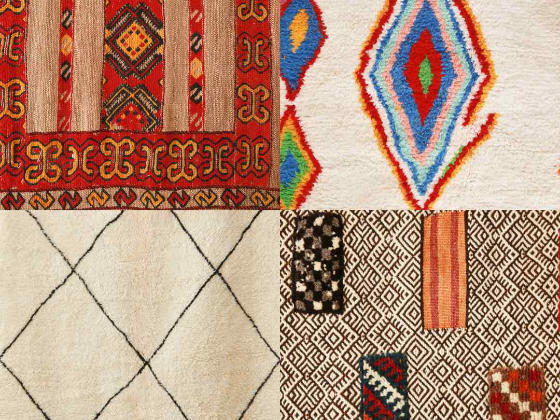
Zindekh developed alongside the world of Boucherouite rugs and are now recognised as part of a wider tradition of Moroccan popular textile art. They were born during the economic hardship of the 1950s and 1960s, when Moroccan women turned necessity into invention, stitching reclaimed fabric into objects that could be sold at the souk to sustain their families. What began as resilience became, over time, a form. Original vintage Zindekh from the 1960s have since entered galleries, auction houses and museum collections. They are studied. They are sought.
The pieces available today carry that same DNA. Displayed as textile wall hangings, hung without a frame or set within one, used as wall accents in a hallway or above a bench, or placed within a gallery wall, they function the way a strong drawing functions: as a concentrated point of attention. Their visual language can recall multicolour patchworks, folk art, naïve compositions, abstract wall decoration or the psychedelic energy of the 1960s and 1970s.
They are equally at home as fabric wall hangings for a bedroom: placed above a bed, a single Zindekh brings the kind of quiet intensity that a headboard or a print rarely achieves. A considered textile wall hanging behind a bed does not decorate the room so much as anchor it, giving the eye somewhere deliberate to rest. For those assembling a gallery wall in a bedroom, their small format is an advantage. They hold their own without overwhelming, and combine with other pieces the way a rare find always does, by making everything around them look more considered.
They suit boho chic, eclectic and vintage-inspired interiors as naturally as they do more minimal rooms, where a single handwoven wall hanging can shift the whole mood of a space. They also embody a more radical idea of sustainability: not simply reusing discarded material, but transforming it into something with new beauty, new function and new meaning.
They ask you to come closer. They reward it.
Their small size is not a limitation. It is the point. A Zindekh does not fill a wall. It holds it.
